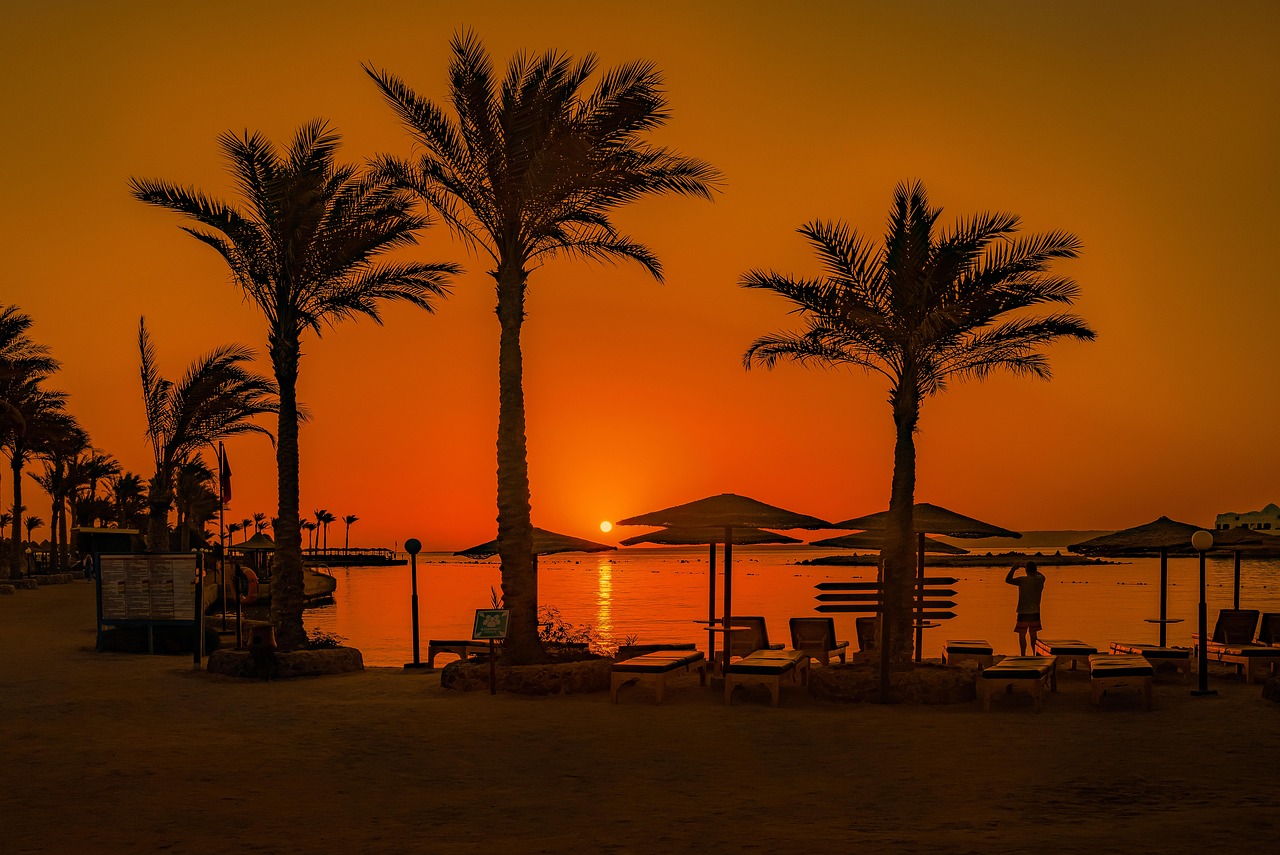
Winter sun 2026/27: Egypt, the Maldives and Australia
By the time the clocks go back, most of us in the UK are already counting the weeks to some proper daylight. Winter sun is the cure: a week or two somewhere warm while home is grey, wet and dark by half past four. This winter we are looking at three very different ways to do it, from a five-hour hop to a full day in the air: Egypt for temples by morning and the Red Sea by afternoon, the Maldives for calm seas and reefs at the end of the jetty, and Australia for Christmas on the beach. Here is why each one works between December and March, what to see, and what to sort out before you fly.
Luxor and the Red Sea, Egypt - temples and reefs, five hours from home

Egypt is the closest of the three and, for many people, the best value. Winter is also the only season when you can comfortably do both halves of the country in one trip: the sightseeing along the Nile and the beach on the Red Sea coast. Egypt is just two hours ahead of the UK in winter, so there is no jet lag to speak of.
Why it is winter sun: long-term averages from the World Meteorological Organization put daytime highs in Luxor at around 23-25C from December to February, rising to about 29-30C in March, with almost no rain. On the Red Sea, Hurghada and Sharm El Sheikh average about 22-23C in the depths of winter and around 25-26C by March, again with barely a shower. The catch is the nights: Luxor averages lows of 6-8C in December and January, so pack a jumper for evenings and early starts.
Worth seeing: the Pyramids of Giza and the treasures of the Grand Egyptian Museum on the edge of Cairo; the columns of Karnak and the painted tombs of the Valley of the Kings in Luxor, ideally after a dawn hot-air balloon flight over the West Bank; a Nile cruise or a slow felucca sail between Luxor and Aswan; and the reefs off Hurghada and Sharm El Sheikh, where some resorts have a house reef you can snorkel from the beach.
Heads-up: December and January are peak season in Luxor and Aswan, so book cruises and the better hotels early. Keep small notes handy: tipping (baksheesh) is part of daily life, and taxis and bazaars still run on cash.
Getting in: British passport holders normally need a visa. You can apply for an e-visa online before you travel or buy a visa on arrival at approved airports, and if you fly into Sharm El Sheikh and stay within Sharm, Dahab, Nuweiba or Taba for less than 15 days, a free entry stamp is enough (you need a full visa to travel further). Your passport should be valid for at least six months from the day you arrive. The FCDO advises against all or all but essential travel to some parts of Egypt, including North Sinai, the area near the Libyan border and much of the Western Desert. Cairo, Luxor, Aswan and the Red Sea resorts are outside those areas, but the FCDO also says the wider regional situation remains unpredictable, and travelling against its advice can invalidate your insurance. Check the gov.uk travel advice for Egypt when you book and again just before you fly.
Staying connected: install an Egypt eSIM over Wi-Fi at home and you will have data for maps, ride-hailing in Cairo and transfer messages from the moment you land. The plan only starts when it first connects to a network in Egypt, so setting it up days ahead costs you nothing, and each plan's page shows which network it uses.
Read our Egypt travel guide for the full picture, or see our Egypt eSIM plans.
Malé and the atolls, Maldives - calm seas and clear water
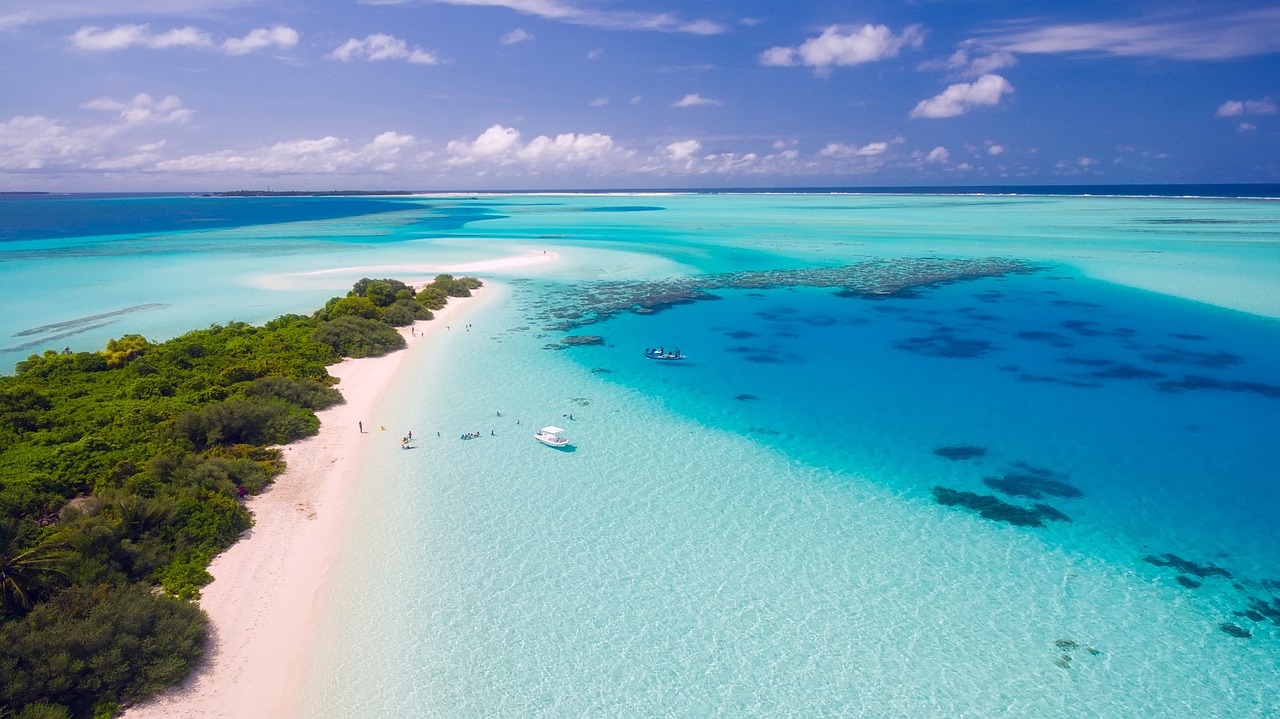
The Maldives is warm all year, so what makes winter special is not the temperature but the sea. The northeast monsoon, known locally as iruvai, brings the calm water and clear visibility the brochures are built on, roughly from December to April. It is also peak season, and Christmas and New Year are the most expensive weeks of all. The islands are five hours ahead of the UK.
Why it is winter sun: World Meteorological Organization averages for Malé show daytime highs of 30-31C and average night-time lows of 25-26C throughout the season. January to March is the driest stretch, with February averaging only about three rainy days. December can still be showery as the season turns, so if you are flexible, the new year is the safer bet.
Worth seeing: whale sharks in the protected waters of South Ari Atoll; the house reef off many resort islands, often only a few fin-kicks from the sand; a local island such as Maafushi, Dhigurah or Ukulhas, where family-run guesthouses cost a fraction of resort rates; and half a day in Malé for the old coral-stone mosque and the fish market at dusk.
Heads-up: getting from the airport to your island is a trip in itself. Seaplanes fly in daylight only, so a late landing can mean an unplanned night near Malé; aim for a morning arrival and ask for the transfer cost before you book. On inhabited islands, cover shoulders and knees away from the marked bikini beach, and expect alcohol to be served only at resorts and on liveaboards.
Getting in: British tourists are given a 30-day visa on arrival, and your passport should be valid for at least a month after the day you arrive. You also need to complete the online IMUGA traveller declaration shortly before you land. Some items cannot be brought in at all, including alcohol and pork products. The gov.uk travel advice for the Maldives has the full details.
Staying connected: coverage is good in Malé, Hulhumalé and on most inhabited islands and resorts, but it thins on long boat crossings and around the remoter atolls, and villa Wi-Fi can be slow. The Maldives is well outside typical UK roaming allowances, so an eSIM installed at home is the easy way to have data for check-in and transfer messages before you reach the jetty. Each plan's page shows which network it uses.
Our Maldives travel guide covers choosing an atoll and getting around, and our Maldives eSIM plans are here.
Sydney and beyond, Australia - Christmas on the beach
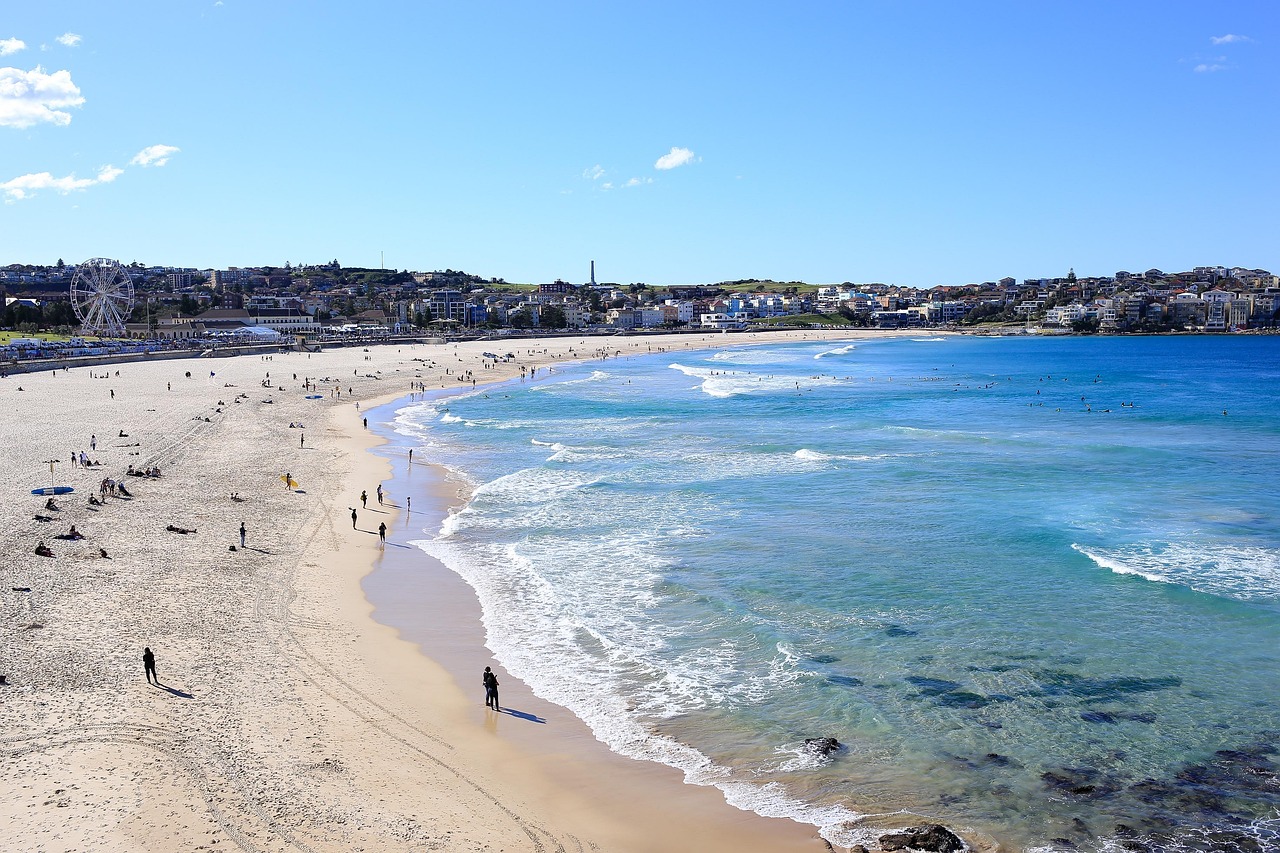
Australia is the big one: a long way to go, so it suits a trip of two or three weeks rather than a quick break. The reward is that our winter is Australia's summer. Christmas lunch outside, a swim on New Year's Day and long, light evenings are all part of the deal. Sydney is eleven hours ahead of the UK in December, so plan a slow first day.
Why it is winter sun: World Meteorological Organization averages give Sydney daytime highs of about 25-26C from December to March, with warm nights around 18-20C. Melbourne is similar, at about 24-27C, and Perth is hotter and drier, at about 29-31C with only a few rainy days a month. The tropical north is different: Cairns is in its wet season, with several hundred millimetres of rain a month from January to March, so save the reef for a later trip or go knowing the weather will change by the hour.
Worth seeing: a ferry across Sydney Harbour past the Opera House and the clifftop walk from Bondi to Coogee; Melbourne's laneways and cafes, and the Great Ocean Road beyond; and, if you have the time, Tasmania for Wineglass Bay and Cradle Mountain at their summer best.
This winter: New Year's Eve fireworks over Sydney Harbour, the start of the Sydney to Hobart yacht race on Boxing Day, and tennis at the Australian Open in Melbourne in January.
Heads-up: the sun is far stronger than at home, so cover up and use high-factor sunscreen even on cloudy days. Swim only at patrolled beaches, between the red and yellow flags. The FCDO notes that the bushfire risk is higher in spring and summer, so check local fire warnings before driving into the bush or national parks.
Getting in: you need a visa to visit Australia, even as a tourist. British citizens can usually get an Electronic Travel Authority (ETA), applied for through the official app, or an eVisitor visa. Your passport must be valid for the length of your stay. Australia's biosecurity rules are strict: declare any food, plant or animal products on your incoming passenger card, or use the bins at the airport. See the gov.uk travel advice for Australia before you apply.
Staying connected: install an Australia eSIM before you fly and you will have data for maps, rideshare and your hotel details on landing. Coverage is excellent in the cities and along the main coastal routes, but there are gaps on long Outback and rural drives on any network, so download offline maps first. Each plan's page shows which networks it uses.
Our Australia travel guide has more on planning around the seasons, and our Australia eSIM plans are here.
If you can only pick one
For a short break, guaranteed sunshine and history thrown in, go to Egypt: the flight is short, the time difference small and the money goes a long way. For pure rest, snorkelling and the best water of the three, pick the Maldives, ideally between January and March. If you can take three weeks and want a summer Christmas, Australia is worth every hour of the flight.
Also worth a look: the Canary Islands (see our Spain travel guide), Morocco and Thailand are the other winter-sun favourites.
Before you go
- Check your phone supports eSIM on our compatibility checker.
- Install your eSIM over Wi-Fi at home. The plan starts when it first connects in your destination, not when you install it.
- Keep your UK SIM in the phone for bank texts and calls, and turn data roaming off on that line so it cannot run up a bill.
- Check the gov.uk travel advice for your destination when you book, and again a few days before you fly.
Browse all our destinations, or use Find My Plan to get a suggestion in a few questions. A few plans for each of the three are below.
Photos on Pixabay: ValeraRychman (Hurghada), DEZALB (Luxor), 12019 (the Maldives) and bonaserios (Bondi Beach).