Spain: a first-timer's guide to Europe's most joyful country
Few countries reward a first visit like Spain. It is a place of grand museums and tiny tiled bars, of high-speed trains gliding past olive groves, of dinners that begin when much of Europe is heading to bed. You can walk through a Moorish palace in the morning, swim in the Mediterranean by afternoon, and finish the day with churros dipped in thick hot chocolate. Whether you have a week or a month, Spain does not ask you to rush - it asks you to settle in.
Best time to visit
Spring (April to June) and autumn (September to October) are the sweet spots: warm sunshine, long evenings, and comfortable sightseeing everywhere from Barcelona to the far south. High summer is glorious on the coast but fierce inland - Seville and Cordoba bake in July and August. Winter brings quiet museums and crisp blue-sky days in Madrid, mild strolling weather in Andalusia, and reliable warmth in the Canary Islands, which stay spring-like all year.
If you can, plan around a festival. Easter week (Semana Santa) fills Andalusian streets with candlelit processions, Seville's April Fair follows soon after, and almost every town stages a summer fiesta of its own. Book accommodation well ahead for these dates.
Top destinations and attractions
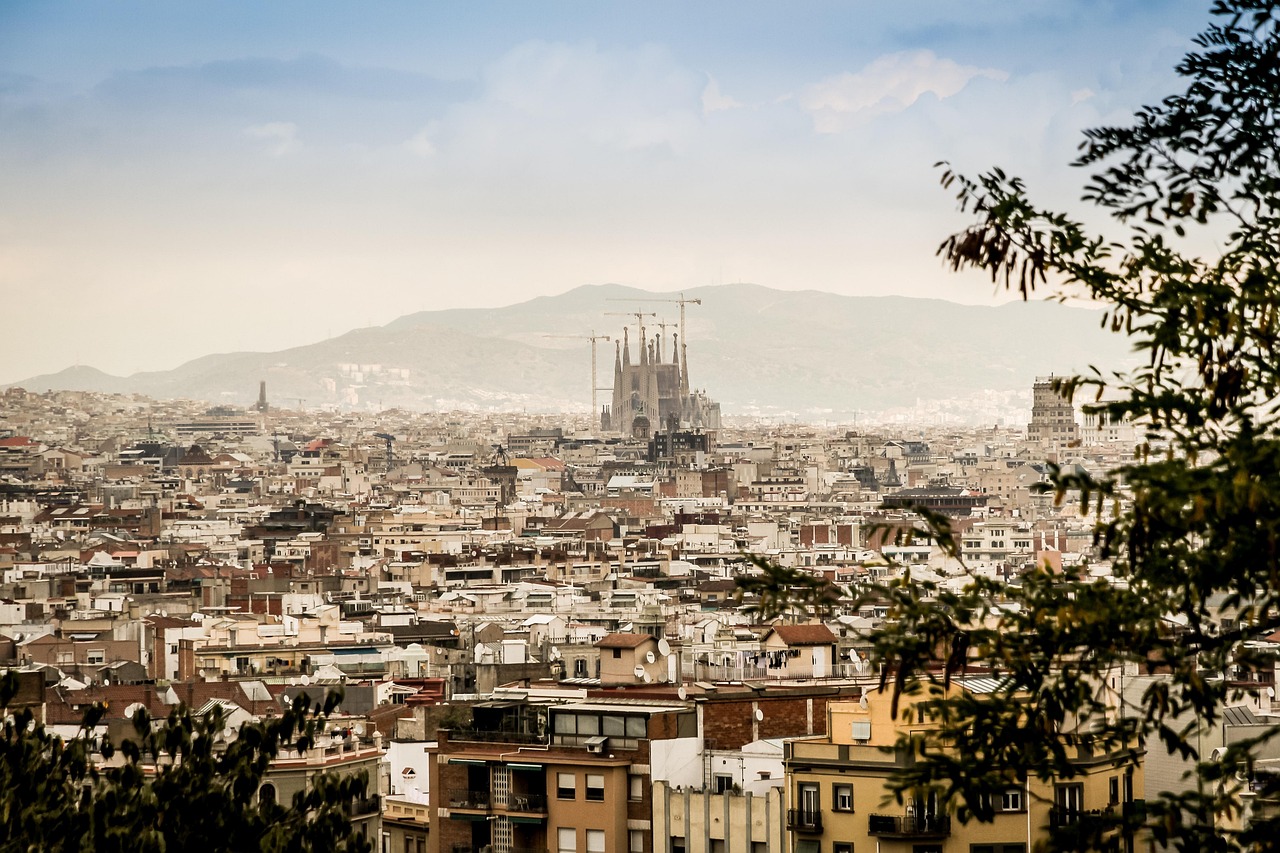
Madrid is the confident capital: the Prado, Reina Sofia, and Thyssen museums form one of the world's great art walks, the Retiro park is made for slow afternoons, and the tapas bars around La Latina hum until late. Barcelona counters with Gaudi's dreamlike architecture - the Sagrada Familia and Park Guell above all - plus the medieval lanes of the Gothic Quarter and city beaches a short metro ride from the centre.
Then there is Andalusia, Spain at its most romantic. Seville layers a colossal Gothic cathedral, the exquisite Real Alcazar palace, and flamenco drifting through the orange-tree squares of Santa Cruz. Granada holds the Alhambra, arguably Europe's most beautiful building, while Cordoba's Mezquita, the white hill villages, and the salty old towns of Cadiz and Malaga round out the region. For island time, the Balearics (Mallorca, Menorca, Ibiza) offer turquoise coves an easy hop from the mainland, and the Canaries serve volcanic landscapes and year-round sun. Do not overlook the green north either: San Sebastian pairs a perfect crescent beach with one of the best eating scenes in Europe, and neighbouring Asturias hides misty mountains, cider houses, and wild Atlantic coves that most visitors never see.
Getting around
Spain's rail network is a joy. High-speed AVE and other fast trains connect Madrid with Barcelona, Seville, Malaga, Valencia, and more in a few comfortable hours - book ahead online for the best fares. Regional trains and an excellent long-distance bus network fill the gaps, and short flights link the mainland with the Balearics and Canaries. Within cities, Madrid and Barcelona have extensive metros, while Seville and Granada are best explored on foot. Rent a car only for the countryside - the white villages, the Asturian coast, or island road trips - as city driving and parking are rarely worth it.
Where to stay
Every budget finds a home here. In Madrid, look at the streets around Sol, La Latina, or arty Malasana; in Barcelona, the Eixample puts you near Gaudi's landmarks with quieter nights than the old town; in Seville, sleeping in or near Santa Cruz means stepping straight into the postcard. Spain's paradores - a network of hotels set in castles, convents, and monasteries - turn accommodation into sightseeing, and casas rurales (rural guesthouses) are a lovely way to experience the countryside. On the islands, book early for summer.
Food and drink
Eating is the national pastime, and grazing is the method. Tapas culture means dinner can be a slow crawl: patatas bravas here, garlicky prawns there, a slice of tortilla somewhere else. Seek out jamon iberico carved to order, gazpacho and its creamier cousin salmorejo in the south, and proper paella - a Valencian classic best eaten at lunchtime near its birthplace. In San Sebastian and across the Basque Country, bar counters groan under pintxos, elaborate little bites eaten standing up. Wash it all down with Rioja or Ribera del Duero reds, crisp Albarino whites, sherry in Andalusia, or a simple vermouth on ice. Markets like Barcelona's Boqueria and Madrid's neighbourhood mercados make perfect grazing lunches.
Culture and etiquette
Spain runs on its own clock, and syncing with it is half the fun. Lunch is the main meal, eaten around 2pm or later; dinner rarely starts before 9pm. The afternoon lull is real too - many smaller shops close for a few hours after lunch, especially outside the big cities - so do as locals do: linger over the meal, rest, and re-emerge for the paseo, the sociable evening stroll. Greetings are warm, dress is stylish but relaxed, and modest cover is expected in churches. Remember also that Spain is a country of proud regional cultures: in Catalonia, the Basque Country, Galicia, and elsewhere you will see co-official languages on signs. A friendly "gracias" works everywhere, and locals appreciate any effort in Spanish.
Practical essentials
Visas: Spain is part of the Schengen Area. Entry requirements depend on your nationality and do change, so check the GOV.UK foreign travel advice for Spain before you travel.
Money: The currency is the euro. Cards and contactless payments are accepted almost everywhere, though a little cash is handy for small bars and rural spots. Tipping is modest - rounding up or leaving small change is plenty.
Staying connected: Sort your data before you fly: install a Spain travel eSIM from idealesim over Wi-Fi at home, and it will be ready the moment you land. Your plan's validity only starts when the eSIM first connects to a network in Spain, so setting it up early costs you nothing - and you will want maps, train bookings, and translation apps working from the first taxi rank.
Language: Spanish (Castilian) is spoken nationwide, alongside co-official languages including Catalan, Basque, and Galician in their home regions. English is common in tourist areas, less so in small towns - a few Spanish phrases go a long way.
Safety and health: Spain is a safe country with excellent healthcare; the main nuisance is pickpocketing in crowded tourist spots, so keep valuables close on the metro and around major sights. Tap water is safe to drink in most of the country. The Europe-wide emergency number is 112, and travel insurance is always sensible.
Plugs: Types C and F (two round pins), 230 volts. UK and North American visitors need an adapter.
Closing thoughts
Spain has a way of recalibrating people. You arrive with an itinerary and leave with habits: the late lunch, the evening stroll, the conviction that dinner tastes better after dark. See the Alhambra and the Sagrada Familia, of course - but leave room for the unplanned hour in a plaza with a cold drink and nowhere to be. That, more than any monument, is Spain.
Not travelling yet?
Tell us your travel date and we will email you before you go (a week before, or when you choose) with the latest Spain eSIM prices. No account needed.