Australia: a first-timer's guide to the great southern land
Few places stir the imagination like Australia: a country the size of a continent, where one trip can take in glittering harbour cities, the world's largest reef system, ancient red desert, and a cool green island most travellers never think to visit. It is friendly, safe, and easy to navigate - provided you plan for the scale and get the seasons right. Here is how to do both.
Best time to visit
Start with the most important planning fact: Australia's seasons are reversed from the northern hemisphere. Summer runs December to February and winter June to August, so Christmas is beach weather and July means snow in the southern high country. The country also spans two climate worlds. The tropical north - Cairns, Darwin, and the top of Queensland - has just two seasons: a hot, humid wet (roughly November to April) and a sunny dry (May to October). The south - Sydney, Melbourne, Adelaide, Tasmania - has a familiar four-season year.
The upshot: the dry season is prime time for the reef and the Outback, while the southern cities shine from October to April. To combine both in one trip, aim for the shoulder months of May, June, September, or October. There is no bad time to be somewhere in Australia - only a wrong place for the month you have picked.
Top destinations and attractions
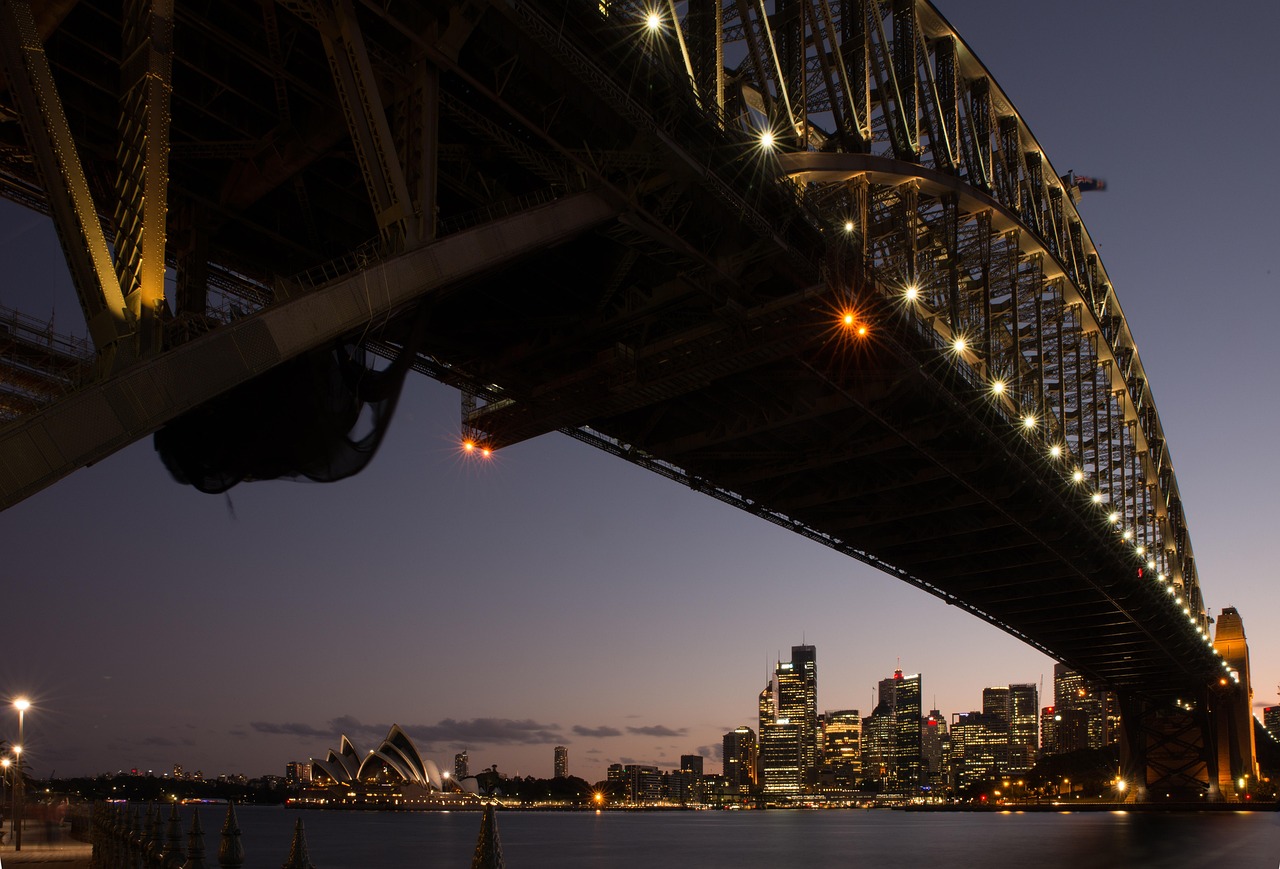
Sydney is the classic opener: ride a ferry past the Opera House, walk the clifftop path from Bondi to Coogee, and finish with fish and chips by the water at Manly. Melbourne, its good-natured rival, trades icons for atmosphere - laneways filled with street art, a fiercely defended coffee scene, galleries, and live music most nights.
Queensland holds the Great Barrier Reef: base yourself in Cairns or Port Douglas for snorkelling and diving day trips, or sail the white-sand Whitsundays. In the Red Centre, Uluru is every bit as moving as the photographs suggest. It is a deeply sacred place for its Anangu traditional owners, and climbing it is not permitted - instead, walk the base track at dawn, join an Indigenous-led tour, and watch the rock shift through shades of red at sunset. Then save time for a lesser-sung gem: Tasmania. A short flight from Melbourne, it packs alpine hikes at Cradle Mountain, the dazzling sand of Wineglass Bay, and a famously provocative art museum into one compact green island.
Getting around
Australia is continental in scale, and the distances genuinely surprise first-time visitors. Domestic flights are the norm: the main routes are frequent and competitive, and flying is usually the only sensible way to combine Sydney, the reef, and the Red Centre in one trip. Book ahead for the best fares.
For shorter stretches, self-driving is a joy - the Great Ocean Road southwest of Melbourne is one of the world's great coastal drives, winding past surf towns to the Twelve Apostles. Australians drive on the left, and rural distances are longer than they look: fuel up when you can, carry water, and avoid country driving at dawn and dusk, when kangaroos are most active. City public transport is straightforward, and rideshare apps work everywhere you would expect.
Where to stay
Accommodation spans the full spectrum. The big cities offer everything from international hotels to serviced apartments - often the best value for families and longer stays. The east coast's backpacker trail keeps hostels lively, country towns run on cheerful roadside motels, and for something memorable there are farm stays, reef-side eco lodges, and the desert resort community beside Uluru. In the big two, staying central pays off: near the harbour in Sydney, in or just north of the city centre in Melbourne.
Food and drink
Australia's food scene punches far above its weight. Generations of immigration mean superb Vietnamese, Thai, Cantonese, Greek, and Lebanese food is everywhere. Brunch is a genuine institution - order a flat white and watch avocado toast treated as high art. Seafood is a highlight, from oysters and prawns to barramundi. Tick off the classics too: a meat pie at a footy match, a sausage sizzle outside a hardware store, and Vegemite spread thinly (the thin part is crucial) on buttered toast. Wine lovers should build in a day trip - the Yarra Valley, the Barossa, and Margaret River in the west are all celebrated.
Culture and etiquette
Australians are informal, direct, and quick with self-deprecating humour. First names come almost immediately, queues are respected, and "no worries" serves as hello, thank you, and apology accepted. Tipping is appreciated for great service but not expected. Australia is also home to some of the world's oldest continuous living cultures, and engaging thoughtfully is deeply rewarding: join Aboriginal-led tours where offered, treat sacred sites such as Uluru with respect, and ask before photographing people or ceremonies. At the beach, do as the locals do and swim at patrolled beaches between the red and yellow flags - lifesavers place them where conditions are safest.
Practical essentials
Visas: Entry requirements depend on your nationality and change from time to time, so check the GOV.UK foreign travel advice for Australia well before departure and apply for anything you need only through official Australian government channels. Take biosecurity seriously too: Australia closely controls what crosses its border, so read the official guidance on what to declare before you pack, and declare any food, plant or animal product you are unsure about.
Money: The Australian dollar (AUD). Card and contactless payments are near-universal - many visitors never touch cash at all - though a few notes are handy at markets and small-town stops.
Staying connected: A useful tip: install an Australia travel eSIM from idealesim over Wi-Fi before you fly, and you will have data the moment you land - maps, rideshare, and bookings sorted before you reach the taxi rank. Your plan's validity only starts when the eSIM first connects to a network in Australia, so setting it up early costs you nothing. One caveat for road-trippers: remote Outback coverage gaps are a fact of life on any network, so download offline maps before long drives.
Language: English, delivered with a distinctive accent and affectionate slang - arvo (afternoon), brekkie (breakfast), servo (petrol station). You will be fluent by day two.
Safety and health: Australia is safe and well organised, with excellent healthcare and drinkable tap water; travel insurance is still wise. The everyday risks are sunshine and surf rather than the wildlife of legend: follow the local "slip, slop, slap" advice - slip on a shirt, slop on sunscreen, slap on a hat - and always swim between the flags. Heed local signage in national parks and you will be fine. The emergency number is 000.
Plugs: Type I (angled flat pins), 230 volts. Pack an adapter.
Closing thoughts
Australia asks a little more of a traveller than most places - a longer flight, bigger distances, a calendar turned upside down - and repays it many times over. Plan around the seasons, fly the long legs, drive the beautiful short ones, and leave room for the unplanned afternoon that becomes the best story of the trip. The great southern land is very good at making you feel welcome.
Not travelling yet?
Tell us your travel date and we will email you before you go (a week before, or when you choose) with the latest Australia eSIM prices. No account needed.