Thailand: a first-timer's guide to temples, street food and island time
The first thing that reaches you in Bangkok is the smell of charcoal and chilli from a pavement grill, then the growl of a longtail boat behind the shophouses. Thailand works in layers like that: gilded temple spires against glass towers, a mango vendor under a motorway flyover, monks collecting alms at dawn on a street that was still awake six hours earlier.
It is also one of the easiest countries in Asia for a first trip. The food is extraordinary and cheap, the transport genuinely works, and you can travel from a Bangkok canal to a limestone island in a single day.
Best time to visit
Thailand runs on three seasons. November to February is cool and dry, with clear skies and low humidity; it is also peak season, so flights and beach rooms cost the most. March to May is the hot season, when Bangkok regularly pushes past 35C. June to October brings the southwest monsoon, usually dramatic afternoon downpours rather than all-day drizzle, plus green landscapes, thin crowds and the year's best rates.
The Gulf coast is the exception. Koh Samui, Koh Phangan and Koh Tao are wettest around October to December, so they are often lovely in June and July while the Andaman side is being hammered. Songkran, the Thai new year water festival, falls in mid-April and turns whole cities into a street-wide water fight. Loy Krathong and the northern Yi Peng lantern festival land on the November full moon, so the dates shift each year and Chiang Mai sells out early.
Where to go
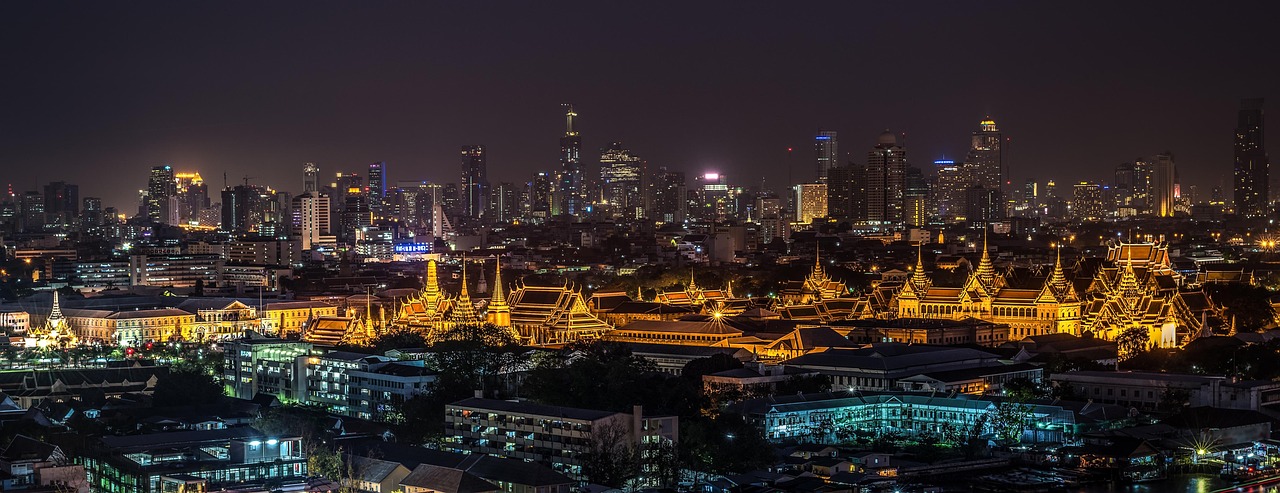
Bangkok deserves more than a stopover. Take the Grand Palace and Wat Pho's reclining Buddha first thing, Wat Arun from across the river at dusk, and an evening eating your way down Yaowarat in Chinatown. Chatuchak Weekend Market is enormous and worth the sweat.
North, Chiang Mai is the cultural counterweight: a moated old city of teak temples, cooking schools and coffee roasters, with Doi Suthep on the mountain above. Choose elephant experiences carefully and visit only sanctuaries that do not offer riding. South, the Andaman coast delivers the postcard: the climbing cliffs of Railay near Krabi, the karsts of Phang Nga Bay, quieter Koh Lanta. Koh Tao is still one of the cheapest, friendliest places anywhere to learn to dive.
For something less trodden, try Nan in the far north, a river town of temple murals that most itineraries skip, or Khao Sok National Park, with its ancient rainforest and floating raft houses on Cheow Lan Lake. Koh Kood, near the Cambodian border, is the sort of unhurried island the others were forty years ago.
Getting around
Distances are longer than they look. Domestic flights are cheap and frequent, with AirAsia, Thai Lion Air and Nok Air covering the country and Bangkok Airways serving Koh Samui. Bangkok has two airports, Suvarnabhumi and Don Mueang; budget carriers mostly use the latter and moving between them eats an hour.
Trains are slower but far more enjoyable. The overnight sleeper from Bangkok to Chiang Mai is a proper travel experience, all curtained berths and a noodle trolley, while the day run out to Ayutthaya costs almost nothing. Book sleepers well ahead in high season; most long-distance services now leave from Krung Thep Aphiwat rather than old Hua Lamphong.
Coaches fill the gaps; use official terminals and known operators rather than minivans touted on the street. Ferries link the islands on schedules that shift in rough weather. In Bangkok the BTS Skytrain and MRT are cheap, cool and immune to traffic, and Grab is the default ride-hailing app nationwide, sparing you the tuk-tuk haggling. Car hire is easy and you drive on the left, but renting a motorbike is where visitors come unstuck: check that your licence and insurance really cover you first.
Where to stay
Accommodation is a real pleasure here because the value is remarkable at every level: well-designed hostels, mid-range guesthouses with a pool and a courtyard, and luxury at a fraction of its European price.
In Bangkok, base yourself on the riverside around Charoen Krung for atmosphere and old-town access, Silom or Sukhumvit for the Skytrain and the restaurants, or leafy Ari for a neighbourhood that feels lived-in. In Chiang Mai the Old City suits first-timers, while Nimmanhaemin is the cafe and design district. On the islands, choose the bay before the hotel: Koh Lanta's west coast for sunsets, Railay for climbers. Book well ahead for Christmas and Songkran.
What to eat
Thai food at home is a pale copy of Thai food in Thailand. Start with the classics done properly: som tam, the pounded green papaya salad from the northeast, sour and fiery; tom yum goong, all lemongrass and lime; a slow, sweet massaman curry. Then go regional: Chiang Mai's khao soi, a coconut curry noodle soup crowned with crisp noodles, is on its own a reason to travel north, and Bangkok's boat noodles come in tiny, intensely rich bowls you order three or four of.
Eat on the street without hesitation: busy stalls turn their stock over fast and are often a safer bet than a half-empty restaurant. Look for moo ping, the grilled pork skewers sold from morning carts, and finish with mango and sticky rice when the season allows. At the table the fork stays in your left hand and pushes food onto the spoon, which is what goes into your mouth; chopsticks appear only for noodle soups, and dishes are shared. If you want it mild, say mai phet, and be ready for it to arrive spicy anyway.
Culture and courtesy
Thai social life runs on composure. Losing your temper in public will not speed anything up; keeping a cool heart, jai yen, is the aim. The wai, palms together with a slight bow, works as both greeting and thank you, and returning one offered to you is polite.
The head is regarded as the most sacred part of the body and the feet the least, so avoid touching anyone's head and never point your feet at a person or a Buddha image. Take your shoes off at temples, homes and many small shops, and cover shoulders and knees at temples, where sarongs can usually be borrowed. Monks should not be touched by women, even accidentally on a bus. The monarchy is deeply respected and protected by strict laws, so leave the jokes at home.
Practical essentials
Visa rules and the online arrival card for Thailand have both changed more than once recently, so check the GOV.UK foreign travel advice for Thailand before booking, and use the official Thai government site rather than lookalikes that charge for it. The baht goes a long way by UK standards, though foreign-card ATMs charge a fixed fee per withdrawal, so draw larger amounts less often and keep cash for markets and family kitchens.
Staying connected. Thai mobile coverage is genuinely good across Bangkok, Chiang Mai and the main beach areas, but Thailand sits well outside the inclusive roaming allowances on most UK plans, so switching your usual SIM on at Suvarnabhumi gets expensive fast. Local prepaid SIMs must be registered against your passport, which means a counter queue on arrival. An eSIM from idealesim sidesteps both: install it over Wi-Fi before you fly, then land with data already running for Grab, ferry times and maps, and no roaming bill afterwards. Signal does thin out on remote islands such as Koh Kood and inside parks like Khao Sok, so download offline maps.
Thai is tonal and hard to pick up, but effort is warmly rewarded: sawasdee khrap (men) or sawasdee kha (women) for hello, khop khun for thank you, aroi for delicious, and mai pen rai, roughly never mind, which is close to a national philosophy. Thailand is safe for travellers and serious crime against visitors is rare; the real risks are traffic, sun and mild scams, like the tout who says a temple is closed today and offers a tuk-tuk tour. Drink bottled or filtered water, use repellent at dusk because dengue circulates, and ask a travel clinic about routine vaccinations before you go. Power is 220V and UK plugs need an adapter.
Go hungry and stay longer than you planned
Almost nobody leaves Thailand thinking they gave it enough time. Book the extra nights now, pack lighter than you think you need to, and let a bowl of khao soi or an empty stretch of Koh Kood sand rearrange your plans.
Not travelling yet?
Tell us your travel date and we will email you before you go (a week before, or when you choose) with the latest Thailand eSIM prices. No account needed.