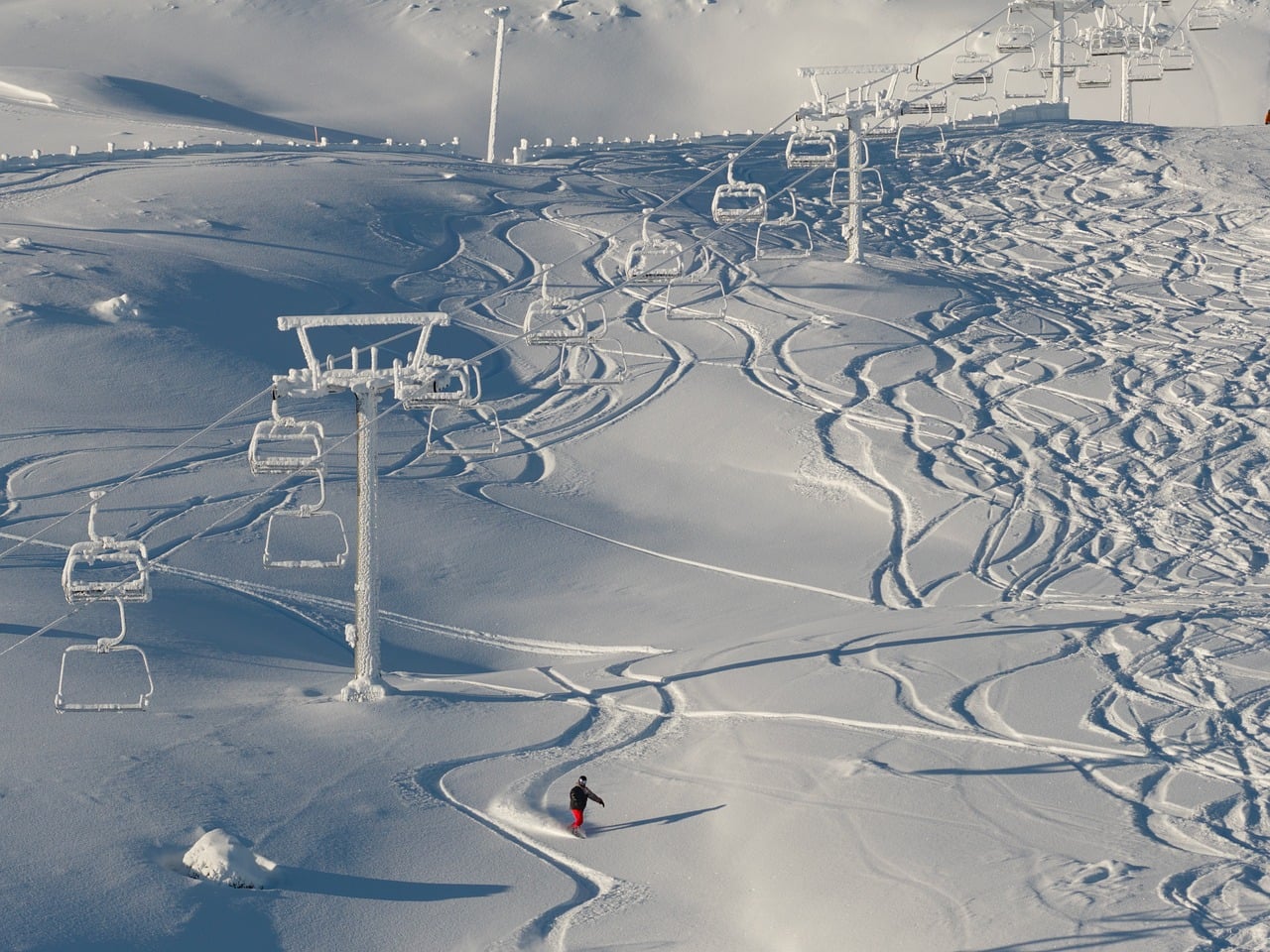
Ski season 2026/27: the world's best ski resorts, from the Alps to Japan
The lifts are turning again. The Hintertux Glacier is already open, Breuil-Cervinia follows on 24 October, Kitzbühel, Breckenridge and the Banff resorts start in early November, Val Thorens follows on 21 November, and by mid-December most of the Alps will be in full swing. Whether you are planning a first family ski week, a big-mountain trip with a guide or a once-in-a-lifetime powder hunt in Japan, this guide rounds up the world's major ski and snowboard destinations for the 2026/27 season: what each one is known for, who it suits, when the snow is usually at its best and which airport to fly into.
Because we are an eSIM shop, we have also covered the part most ski guides skip: staying connected on the mountain. That means phone signal at altitude, the apps worth installing before you go, how much data a ski week really uses, the roaming trap on resorts that straddle the French, Swiss and Italian borders, and why your phone dies on the chairlift. There is a practical section on winter sports insurance and the GHIC too, including the Switzerland and Andorra exceptions that catch people out.
The quick picker
- First time on skis: Andorra, Mont-Tremblant, Breckenridge and Levi.
- Families: Trysil, Pal Arinsal, Park City, Obergurgl and the Portes du Soleil.
- Experts and off-piste: Chamonix, St. Anton, Verbier, Jackson Hole, Alta and Snowbird, and Revelstoke.
- Après-ski: St. Anton, Ischgl, Verbier, Whistler and Val d'Isère.
- Powder: Niseko and the rest of Hokkaido, Hakuba and Alta.
- High and snow-sure: Val Thorens, Tignes, Zermatt and Obergurgl.
- Two countries in one day: the Portes du Soleil (France and Switzerland), Zermatt and Cervinia (Switzerland and Italy), and Ischgl and Samnaun (Austria and Switzerland). Read our roaming section before you go.
- Skiing in the British summer: New Zealand, Chile and Argentina, from June to early October.
The Alps: France
France has some of the biggest linked ski areas in the world and plenty of ski-in, ski-out resorts. Most UK skiers fly to Geneva, Lyon or Chambéry, or take the train. Take a look at our France eSIM plans, and if your ski area crosses into Switzerland, read the roaming section below first.
Chamonix - Mont Blanc and the Vallée Blanche
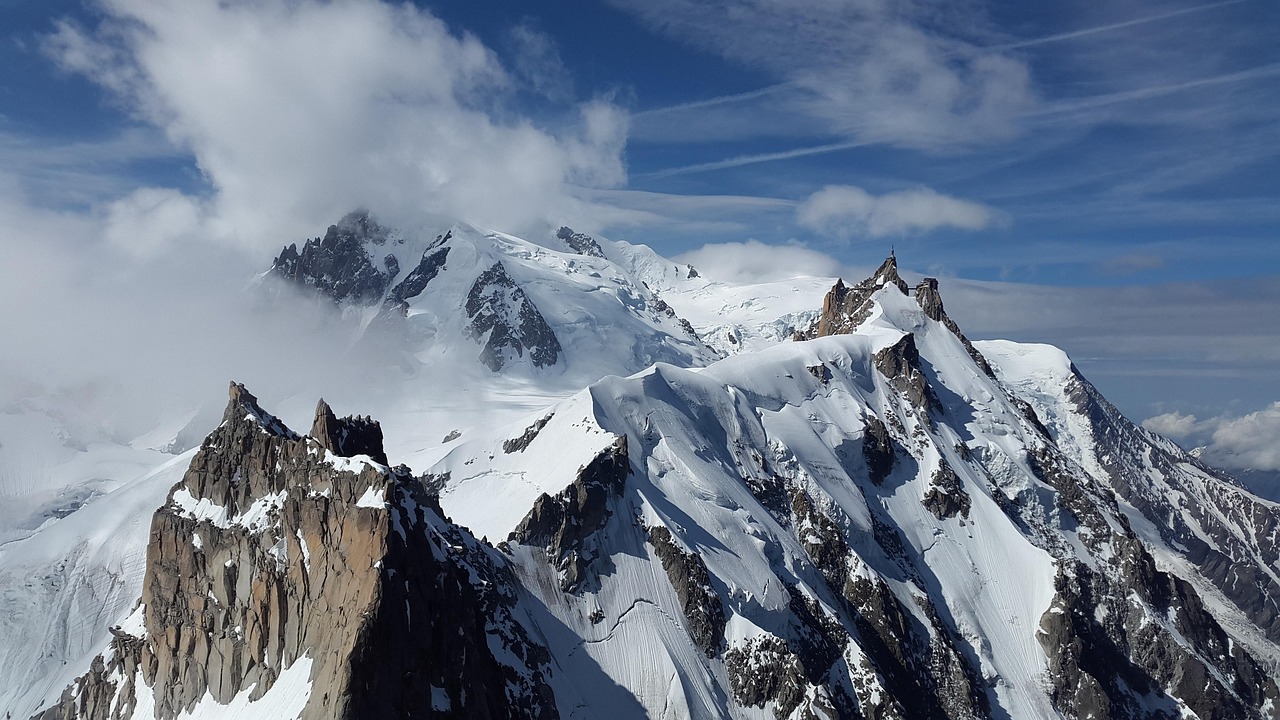
Known for: serious high-mountain skiing under Mont Blanc. The Aiguille du Midi cable car climbs from the town at 1,035m to 3,842m, the start of the Vallée Blanche, an off-piste descent of more than 20km back towards Chamonix that should only ever be done with a qualified mountain guide. Chamonix is a proper year-round town rather than a purpose-built resort, so there is plenty to do off the slopes.
Who it suits: strong skiers, freeriders and ski tourers. Beginners can manage, but the ski areas are spread along the valley and linked by bus rather than by lifts.
Season and getting there: the ski areas usually open between late November and mid-December, and the high lifts can run into early May. Fly to Geneva, roughly an hour to an hour and a half away by transfer.
Staying connected: Chamonix is close to both the Swiss and Italian borders, and the Vallée Blanche can also be started from the Italian side via the Skyway lift from Courmayeur. High in the massif your phone can pick up a foreign network, so read the roaming section below. More on the town on our Chamonix page.
Les 3 Vallées - Courchevel, Méribel and Val Thorens
Known for: size. The 3 Vallées links 600km of runs on one lift pass, topping out at 3,230m. Courchevel is famously glamorous, Méribel is the classic chalet-holiday resort and Val Thorens, at 2,300m, is described by its tourist office as the highest ski resort in Europe.
Who it suits: almost everyone, especially confident intermediates who want to clock up the kilometres. Families do well in Méribel and the lower Courchevel villages.
Season and getting there: Val Thorens opens on 21 November 2026 and runs to 2 May 2027. Courchevel opens on 4 December and Méribel on 5 December, and the whole area is open from 5 December 2026 to 18 April 2027. Fly to Geneva, Lyon or Chambéry.
Val d'Isère and Tignes - high and snow-sure
Known for: a high, snow-sure linked area of about 300km between 1,550m and 3,456m on the Grande Motte glacier above Tignes. Val d'Isère has a lively après scene, and both resorts have some of France's best lift-served off-piste.
Who it suits: intermediates to experts, and anyone wanting the best chance of good snow early or late in the season.
Season and getting there: both usually open in late November and run into early May. Chambéry is the closest airport, about an hour and a half to two hours away; Geneva is about two and a half to three hours.
The Portes du Soleil - skiing across the border
Known for: 600km of skiing across 12 resorts in two countries, marketed as the largest cross-border ski area in the world. Avoriaz, Morzine, Les Gets and Châtel are on the French side; Champéry, Morgins and Les Crosets are in Switzerland. One lift pass covers both.
Who it suits: families and intermediates. Morzine and Les Gets are pretty, lower villages that are easy to reach, while car-free Avoriaz sits higher up with ski-in, ski-out apartments.
Season and getting there: the whole area is open from 19 December 2026 to 18 April 2027. Fly to Geneva.
Staying connected: this is where the roaming trap bites hardest, because you can cross between France and Switzerland several times a day without noticing. A France-only plan does not work on the Swiss side, so a Europe plan that lists Switzerland is the easy answer. See our Switzerland eSIM plans and our Europe plans.
The Alps: Switzerland
Switzerland has some of the most spectacular scenery in the Alps and a train network that takes you almost to the lifts. It is not in the EU, which matters for both your phone and your health cover (both are explained below). Our Switzerland eSIM plans cover the whole country.
Zermatt - the Matterhorn, car-free
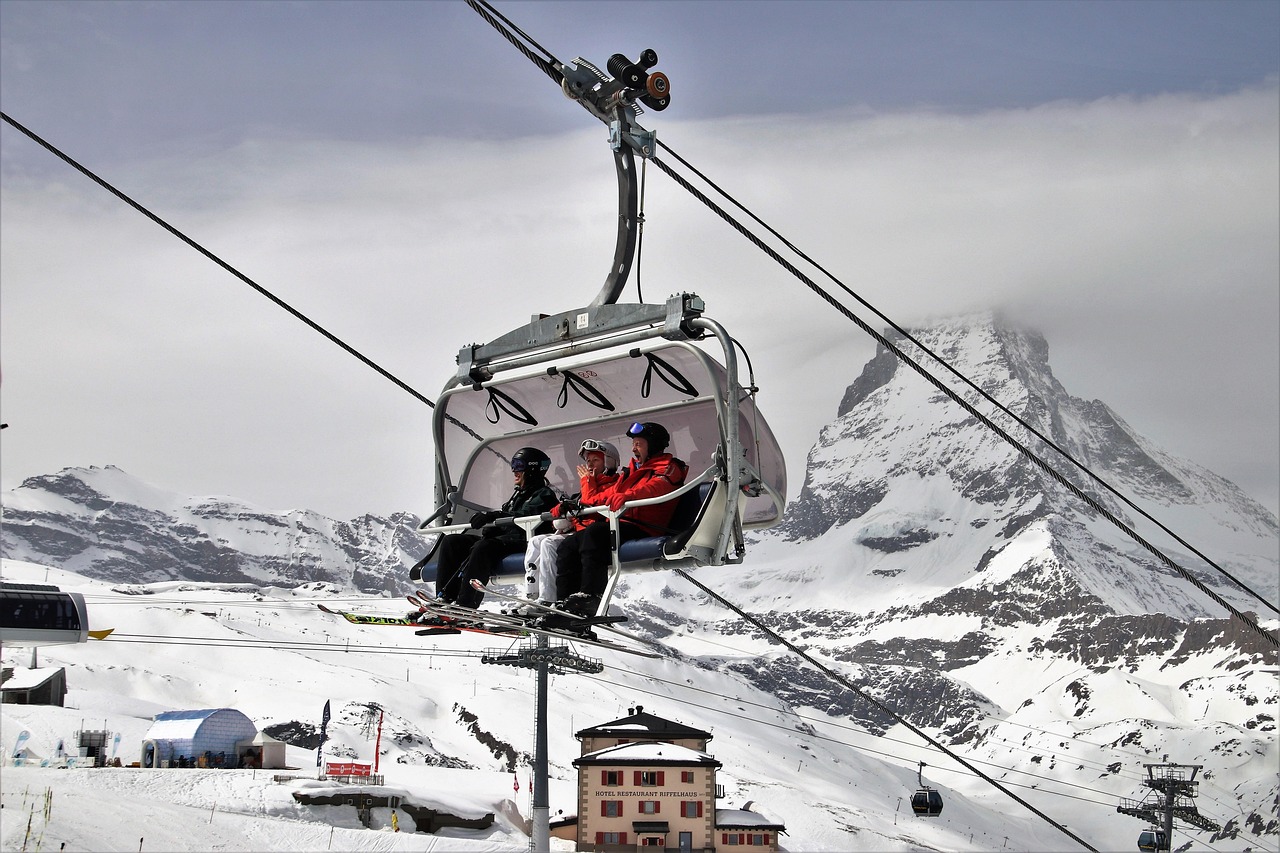
Known for: the Matterhorn, a car-free village and high-altitude skiing linked to Breuil-Cervinia and Valtournenche in Italy. The Matterhorn Glacier Paradise above Zermatt is one of the few places in the Alps where you can ski in summer, and since July 2023 the Matterhorn Alpine Crossing cable car has linked it with Testa Grigia on the Italian side.
Who it suits: all levels, but it is at its best for confident skiers who want long, high runs and the views to go with them.
Season and getting there: the main winter season usually runs from late November to late April. Fly to Zurich or Geneva and take the train, around three and a half hours, changing at Visp. Note that the Matterhorn Alpine Crossing is closed for maintenance from 7 January to 26 February 2027.
Staying connected: ski over to Cervinia for lunch and you are in Italy, so read the roaming section below. See our Zermatt page for more on the village.
Verbier - freeride and après in the 4 Vallées
Known for: big off-piste terrain, a freeride reputation and some of Switzerland's liveliest après. Verbier is the best-known resort in the 4 Vallées area, rising to Mont-Fort at 3,330m.
Who it suits: experts, freeriders and the après crowd. Intermediates will find plenty, but Verbier is not the gentlest place to learn.
Season and getting there: usually from late November or early December to late April. From Geneva it is about 2 hours 40 minutes by train to Le Châble, then about 20 minutes by bus or cable car.
St. Moritz - Olympic glamour in the Engadin
Known for: high-society style, events on the frozen lake and Olympic history: St. Moritz hosted the Winter Games in 1928 and 1948. The main ski area, Corviglia, sits above the town, with more areas across the Engadin valley.
Who it suits: intermediates, and anyone who enjoys the scene as much as the skiing.
Season and getting there: usually late November to early April. It is about three hours by train from Zurich main station.
The Jungfrau region - Wengen, Grindelwald and Mürren
Known for: skiing beneath the Eiger, Mönch and Jungfrau, with 211km of pistes across Grindelwald-Wengen, Grindelwald-First and Mürren-Schilthorn. The Eiger Express gondola serves Grindelwald, and you can ski the famous Lauberhorn race course above Wengen.
Who it suits: families, intermediates and anyone who wants traditional car-free villages and huge views. It is a long-standing British favourite.
Season and getting there: Kleine Scheidegg and Mürren-Schilthorn open on 21 November 2026, Männlichen on 12 December and First on 19 December. Fly to Zurich or Basel and take the train. See our pages on Wengen and Grindelwald, and on Davos if you are heading east.
The Alps: Austria
Austria is the home of après-ski, cosy chalet villages and short transfers: Innsbruck and Salzburg are close to many resorts, and St. Anton has its own railway station. Our Austria eSIM plans cover the whole country, and our Innsbruck page is a good place to start.
St. Anton am Arlberg - the après capital
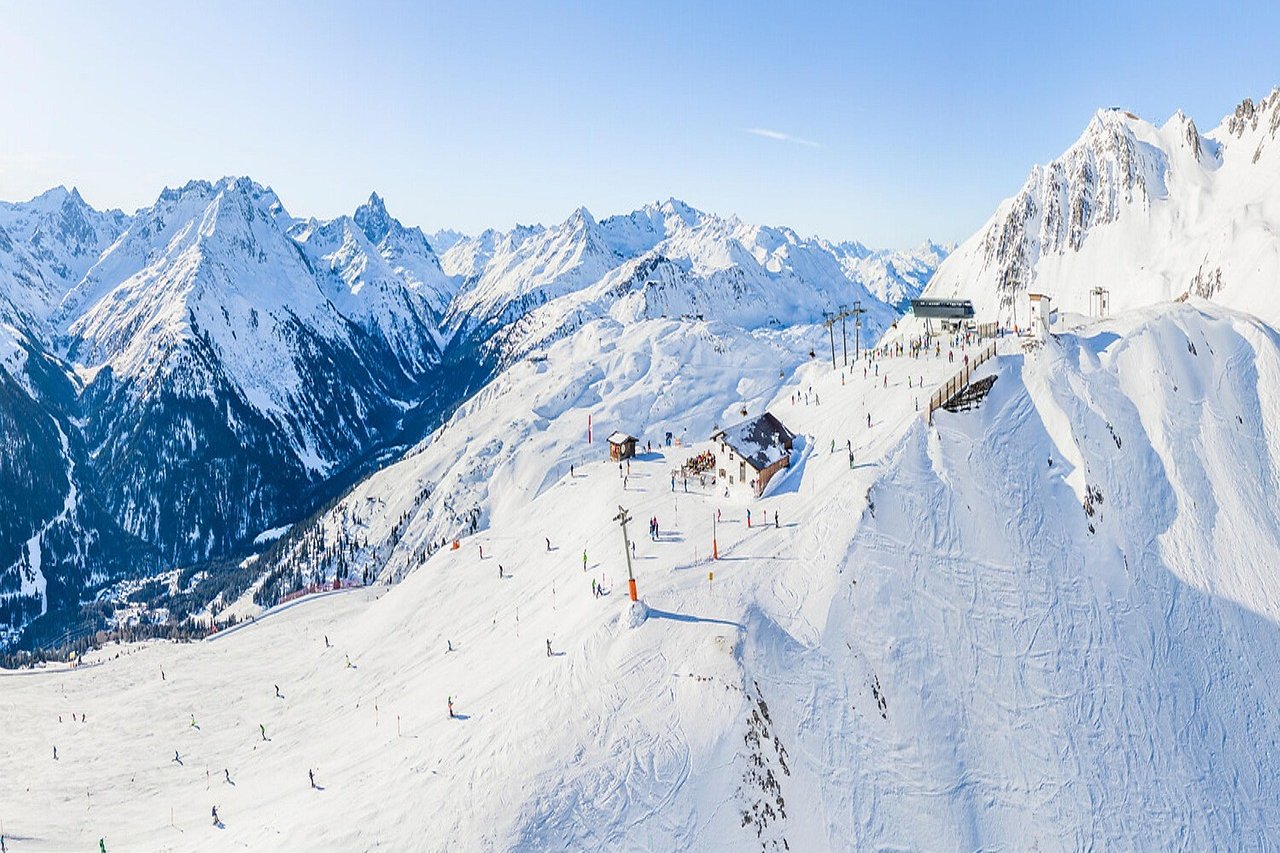
Known for: the Ski Arlberg area, with 305km of pistes plus 200km of ski routes, a top point of 2,811m on the Valluga, legendary freeride terrain and an après scene that is famous across Europe.
Who it suits: strong skiers and freeriders above all, and anyone who wants to party after the lifts close. There are beginner and children's areas, but much of the terrain is steep.
Season and getting there: 2 December 2026 to 18 April 2027. Fly to Innsbruck (about 100km) or Zurich (about 200km). Long-distance trains stop in the village, so you can do the whole transfer by rail.
Ischgl - big parties and a duty-free Swiss neighbour
Known for: its season-opening concert, high-energy après and the Silvretta Arena, 239km of slopes shared with Samnaun across the border in Switzerland, which is a duty-free zone.
Who it suits: intermediates and the après crowd.
Season and getting there: 26 November 2026 to 2 May 2027. Innsbruck is about an hour and a half away.
Staying connected: ski down to Samnaun and you are in Switzerland, so check your plan covers both countries. More on the resort on our Ischgl page.
Kitzbühel - the Hahnenkamm and a medieval town
Known for: the Hahnenkamm downhill, one of the most famous races in skiing (race week is 18 to 24 January 2027), and a pretty medieval town centre. KitzSki has 233km of runs.
Who it suits: intermediates, and anyone who likes a real town to come back to.
Season and getting there: Kitzbühel is one of the earliest openers, from 6 November 2026 to 4 April 2027. Salzburg, Innsbruck and Munich airports are all within reach. See our Kitzbühel page.
Mayrhofen and the Hintertux Glacier
Known for: lively Zillertal après in Mayrhofen (142km of slopes) and the Hintertux Glacier up the valley, rising to 3,250m, which opens in early October and gives the Zillertal one of the longest seasons in Austria.
Who it suits: intermediates, snowboarders and groups of friends.
Season and getting there: Mayrhofen's own lifts run from 4 December 2026 to 11 April 2027. Fly to Innsbruck. See our Mayrhofen page.
Obergurgl-Hochgurgl - snow-sure and family-friendly
Known for: high, snow-sure skiing between 1,800m and 3,080m, with 110km of slopes and a long season. It is quieter and more relaxed than the big party resorts.
Who it suits: families and all levels.
Season and getting there: 19 November 2026 to 18 April 2027. Fly to Innsbruck.
The Alps: Italy
Italy offers dramatic Dolomites scenery, long lunches on the mountain and often quieter slopes than its neighbours. Two rules are worth knowing before you go. Since 1 November 2025 a certified helmet has been compulsory for every skier and snowboarder, whatever their age, and third-party liability insurance is a legal requirement on the slopes (you can usually buy it with your lift pass). Our Italy eSIM plans cover the whole country.
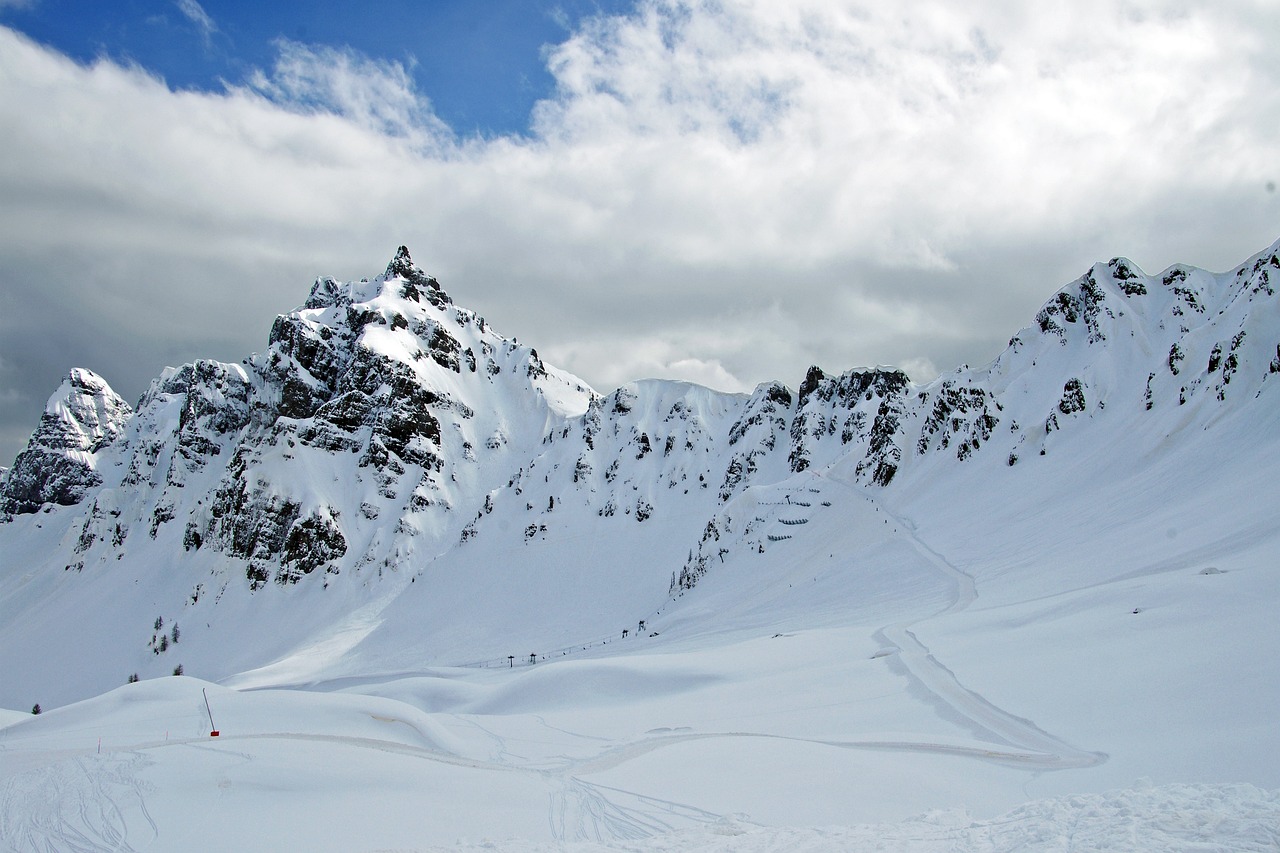
The Dolomites and the Sella Ronda
Known for: Dolomiti Superski, 12 ski areas and 1,200km of slopes on one pass, and the Sella Ronda, a circuit of around 40km of pistes and lifts around the Sella massif through Val Gardena, Alta Badia, Arabba and Val di Fassa. You can ski it clockwise (orange signs) or anticlockwise (green).
Who it suits: intermediates who love scenery and mileage, and food lovers: the mountain huts here are famous.
Season and getting there: Dolomiti Superski opens on 28 November 2026, and most areas run to early April 2027. Val Gardena is 40km from Bolzano airport, 115km from Innsbruck and 191km from Verona.
Cortina d'Ampezzo - fresh from the 2026 Olympics
Known for: elegant Dolomites skiing, around 120km of slopes and its role in the Milano Cortina 2026 Winter Olympics, when it hosted women's alpine skiing on the Tofane, curling and the sliding sports.
Who it suits: intermediates, and anyone who enjoys a stylish town as much as the skiing.
Season and getting there: usually December to early April. Venice is the closest major airport, a little over two hours away by bus.
Livigno - duty-free with Olympic snow parks
Known for: duty-free shopping, high-altitude skiing and the snow parks that hosted the freestyle and snowboard events at the 2026 Olympics. Livigno sits right next to the Swiss border.
Who it suits: snowboarders, freestylers, intermediates and groups on a budget.
Season and getting there: usually late November to early May. The roads in are long, so allow plenty of time from the Milan airports or Bergamo.
Courmayeur and Breuil-Cervinia - the Italian side of Mont Blanc and the Matterhorn
Known for: Courmayeur is a charming Aosta Valley town on the Italian side of Mont Blanc, where the Skyway rises to Punta Helbronner at 3,466m. Breuil-Cervinia sits beneath the Matterhorn and shares a ski area with Zermatt.
Who it suits: Courmayeur is great for food, off-piste with a guide and a relaxed pace; Cervinia's long, sunny cruising runs suit intermediates.
Season and getting there: Courmayeur runs from 28 November 2026 to 11 April 2027. Cervinia is one of the earliest openers, from 24 October 2026 to 2 May 2027. Fly to Turin or Milan, or to Geneva for Courmayeur through the Mont Blanc Tunnel.
Staying connected: both are border resorts. Courmayeur sits beneath Mont Blanc on the French border, and from Cervinia you can ski into Switzerland, so a plan that covers more than one country is worth it here.
North America: the USA and Canada
North America means wide, well-groomed runs, reliable snow, excellent ski schools and friendly service, usually at a higher price than Europe. You need an ESTA (or a visa) for the USA, and an eTA if you fly into Canada. Medical care is very expensive, so make sure your insurance is solid. Our USA eSIM plans and Canada eSIM plans cover each country, and there is a USA and Canada plan in the cards below if you are visiting both.
Colorado - Vail, Breckenridge and Aspen Snowmass
Known for: Vail's seven Back Bowls, Breckenridge's five peaks and its Imperial Express, billed as the highest chairlift in North America at 12,840ft, and Aspen Snowmass's four mountains and upmarket town.
Who it suits: Breckenridge is great for beginners and families, with a lively town; Vail suits intermediates and experts; Aspen Snowmass has something for every level across its four mountains.
Season and getting there: Breckenridge plans to open on 6 November 2026, Vail on 13 November and Aspen Mountain and Snowmass on 26 November, with skiing usually into April. Denver airport is about two hours from Vail and Breckenridge; Eagle County airport is about 40 minutes from Vail, and Aspen has its own small airport. More on our Colorado page.
Utah - Park City, Alta and Snowbird
Known for: light, dry snow and resorts very close to a big airport. Park City describes itself as the largest ski resort in the USA, with 7,300 acres. Alta is a skiers-only mountain, with no snowboarding allowed, and its neighbour Snowbird is known for its tram and steep terrain.
Who it suits: Park City suits families and all levels; Alta and Snowbird are for strong skiers who want deep snow.
Season and getting there: Park City and Alta both plan to open on 20 November 2026, and Alta expects to close on 25 April 2027. Park City is about 40 to 45 minutes from Salt Lake City. Alta and Snowbird are 35 to 45 minutes from the airport up Little Cottonwood Canyon, which can close for avalanche control. See our Utah page.
Jackson Hole, Wyoming - steep and wild
Known for: 4,139ft of vertical, Corbet's Couloir (described by the resort as the most famous and steepest run in North America) and a real cowboy town.
Who it suits: experts.
Season and getting there: opens on 27 November 2026. Jackson Hole Airport is the only commercial airport inside a US national park, Grand Teton. See our Wyoming page.
Whistler Blackcomb - the giant of the west
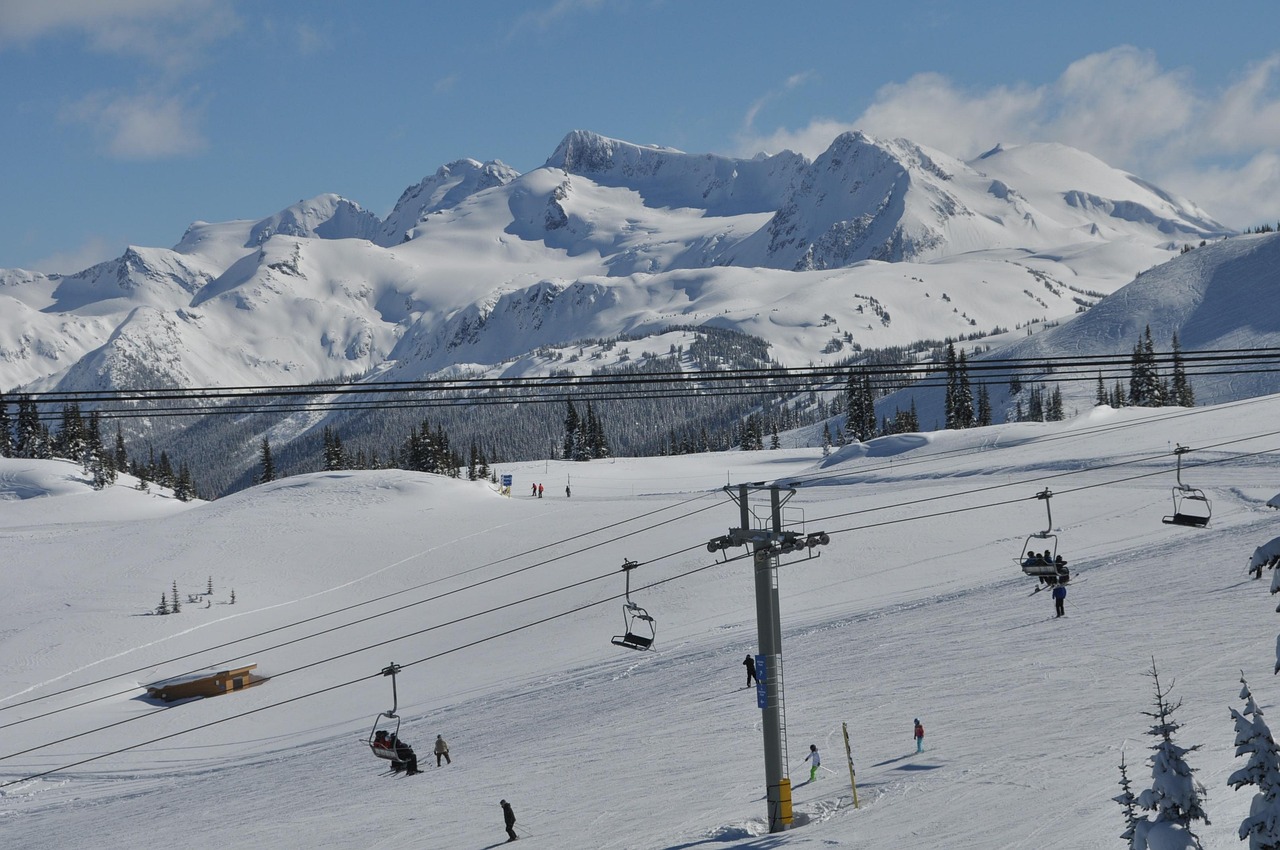
Known for: sheer size, with 8,171 acres and more than 200 runs, the Peak 2 Peak gondola between its two mountains and one of the best après scenes in North America.
Who it suits: every level, from first-timers to experts.
Season and getting there: planned to open on 20 November 2026. Vancouver is about two to two and a half hours away along the Sea to Sky Highway. One new detail this season: British Columbia has moved to permanent daylight saving time, so early-season lift hours are about half an hour later than usual. See our Whistler page.
Banff and Lake Louise - skiing in a national park
Known for: three resorts inside Banff National Park (Sunshine Village, Lake Louise and Mt Norquay), with Rocky Mountain scenery, long seasons and night skiing at Norquay on Friday and Saturday evenings.
Who it suits: all levels. Norquay is the small, friendly local hill, while Sunshine and Lake Louise are big.
Season and getting there: Sunshine and Lake Louise plan to open on 6 November 2026 and Norquay on 7 November. Calgary airport is about 90 minutes from Banff. See our Banff page.
Revelstoke and Mont-Tremblant
Revelstoke in British Columbia claims the biggest vertical in North America, at 1,713m, and is a magnet for experts and powder skiers. It opens on 5 December 2026, and Kelowna is the nearest airport, about two and a half hours away. Mont-Tremblant in Quebec is the opposite: a car-free, family-friendly pedestrian village about 90 minutes from Montreal airport, open from 26 November 2026 to 18 April 2027. See our Mont-Tremblant page.
Japan: the home of powder

Japan has become a bucket-list ski trip thanks to its light, dry snow (often called "Japow"), hot springs after skiing and fantastic food. UK visitors can usually stay for up to 90 days for tourism without applying for a visa in advance. Our Japan eSIM plans work across the country, which helps if you add a few days in Tokyo or Kyoto.
Niseko, Hokkaido - powder and night skiing
Known for: deep, reliable powder, four linked areas on the Niseko United pass (Grand Hirafu, Hanazono, Niseko Village and Annupuri), floodlit night skiing and plenty of English spoken in the resort.
Who it suits: powder lovers, groups and first-time visitors to Japan, with lively après in Hirafu.
Season and getting there: all four areas open on 28 November 2026; Grand Hirafu and Annupuri run to 5 May 2027, and night skiing runs from 12 December to 22 March. New Chitose airport is about two hours away by car, or two and a half to three hours by bus. See our Hokkaido page, and our Sapporo page if you stop in the city.
Furano and Rusutsu
Two more Hokkaido favourites. Furano is a real farming town in the middle of the island, with dry snow, night skiing and a powder zone, about an hour from Asahikawa airport. Rusutsu spreads across three mountains, with night skiing, and is open from 28 November 2026 to 31 March 2027; shuttle buses run from New Chitose airport.
Hakuba Valley and Nozawa Onsen, Nagano
Known for: Hakuba Valley has 10 resorts and hosted events at the 1998 Nagano Winter Olympics. Nozawa Onsen is a traditional hot-spring village with skiing right above it, open from 28 November 2026 to 5 May 2027. Its famous fire festival is held on 13 to 15 January, but the night ceremony on 15 January is limited to residents and people staying overnight in the village, so book early if you want to see it.
Who it suits: all levels, and anyone who wants to combine skiing with Japanese culture.
Getting there: take the Hokuriku Shinkansen from Tokyo to Nagano (about 90 minutes), then an express bus to Hakuba (about 70 minutes). For Nozawa Onsen, get off at Iiyama and take the 25-minute bus.
Scandinavia: Sweden, Norway and Finland
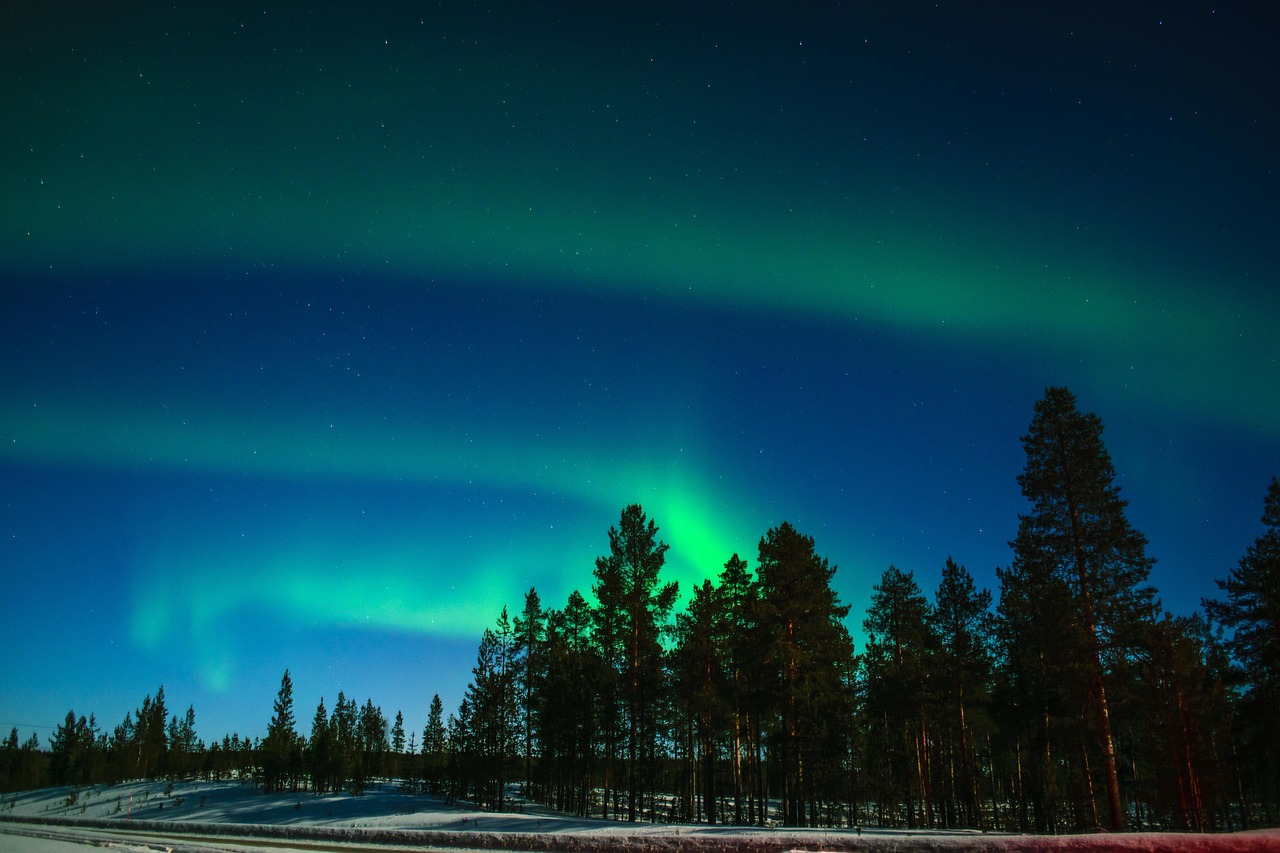
Scandinavian skiing is quieter and very family-friendly, with the bonus of the northern lights in Lapland. The mountains are lower than the Alps, but the snow is reliable and the seasons are long. Days are short in midwinter (in the far north the sun barely rises in December), so February, March and April are lovely times to go. Our Sweden, Norway and Finland eSIM plans cover each country.
Åre, Sweden
Known for: Sweden's best-known ski resort, with around 90 slopes and 47 lifts across three areas, a lively village and a reputation for good off-piste.
Who it suits: families (Åre Björnen is aimed at children and beginners), groups and good skiers.
Season and getting there: the official opening weekend is 10 to 13 December 2026. Fly to Åre Östersund airport, about an hour away, or take the train, which stops in the village.
Trysil and Hemsedal, Norway
Trysil is Norway's largest ski resort, with 71 slopes, wide runs and children's areas that make it a family favourite. The Trysilekspressen bus from Oslo airport takes just under three hours. Hemsedal, Norway's second-largest resort, adds off-piste and a snow park for confident skiers, about three and a half hours from Oslo airport by transfer bus. Both usually run from December into April or early May.
Levi and Ylläs, Finnish Lapland
Known for: skiing above the Arctic Circle, with northern lights from late August to April. Levi has 44 slopes and plenty of blue runs for beginners; Ylläs is Finland's biggest ski resort, with its longest slopes.
Who it suits: beginners, families and anyone combining skiing with husky rides and aurora hunting.
Season and getting there: Levi opens in October and stays open until May. Kittilä airport is about 15km from Levi, a 10-minute drive, and about 45 minutes from Ylläs. See our Finnish Lapland page, and our Swedish Lapland page if you are heading to Riksgränsen, Sweden's northernmost resort, where the 2027 winter season runs into late May.
Andorra and the Pyrenees
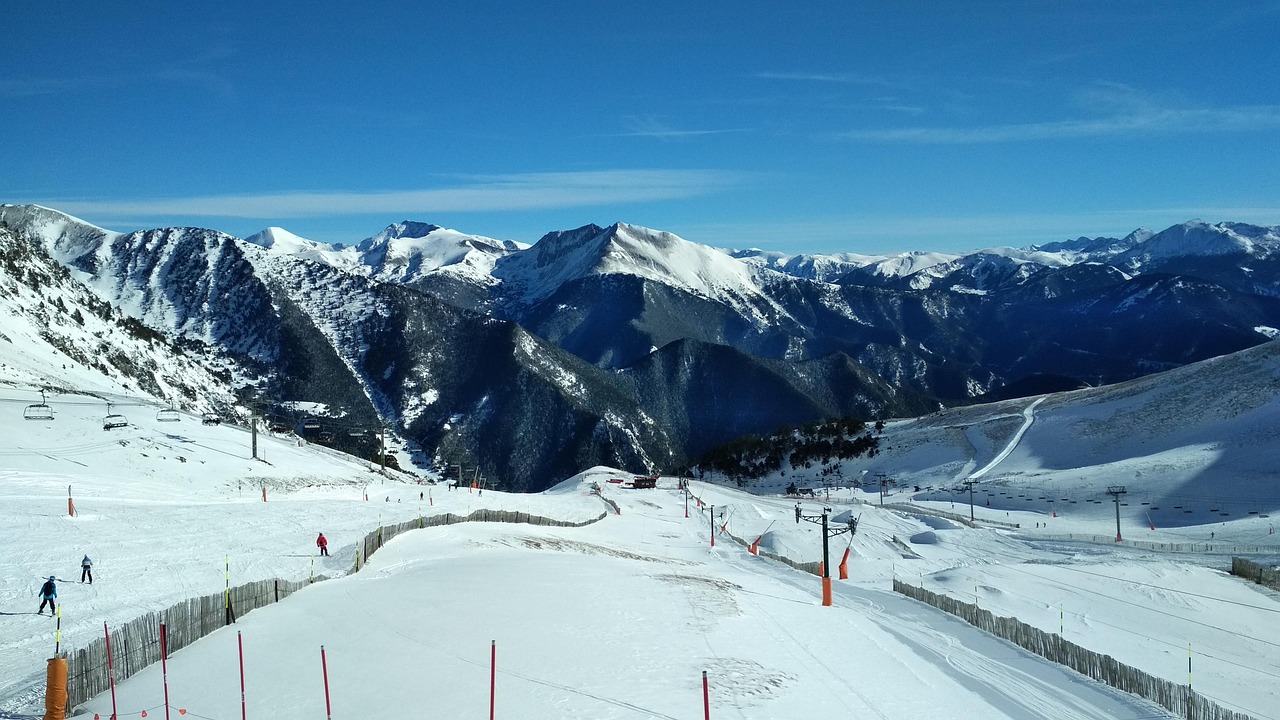
Andorra is a long-standing favourite for beginners and groups watching their budget, with low-tax shopping and a transfer from Toulouse or Barcelona. Two things set it apart from the rest of Europe: it is not in the EU, and neither the GHIC nor the EHIC is valid there. You can only reach it through France or Spain. Our Andorra eSIM plans cover the country.
Grandvalira - the biggest in the Pyrenees
Known for: the largest ski area in the Pyrenees, with seven sectors from Encamp and Soldeu to Pas de la Casa on the French border. Soldeu and El Tarter co-hosted the 2019 Alpine World Cup Finals.
Who it suits: beginners, intermediates and après-loving groups, especially in Soldeu and Pas de la Casa.
Season and getting there: opens on 4 December 2026. Toulouse and Barcelona airports are both within about 200km. See our Soldeu page.
Staying connected: Pas de la Casa sits right on the French border, so your phone may connect to a French network. Many Europe-wide plans do not include Andorra, so check that the plan page lists it before you buy, or use an Andorra plan.
Pal Arinsal, Ordino Arcalís and the Spanish Pyrenees
Pal Arinsal calls itself the most family-oriented ski resort in the Pyrenees, with over 63km of slopes. Ordino Arcalís, open from 4 December 2026 to 4 April 2027, is known for its snow and its freeride events. The Andorra lift pass covers all three Grandvalira Resorts. Over the border in Spain, Baqueira-Beret in the Val d'Aran is Spain's largest ski resort, with 153km of runs. See our Spain eSIM plans, our Catalonia page and our Spain travel guide.
The southern hemisphere: skiing from June to October
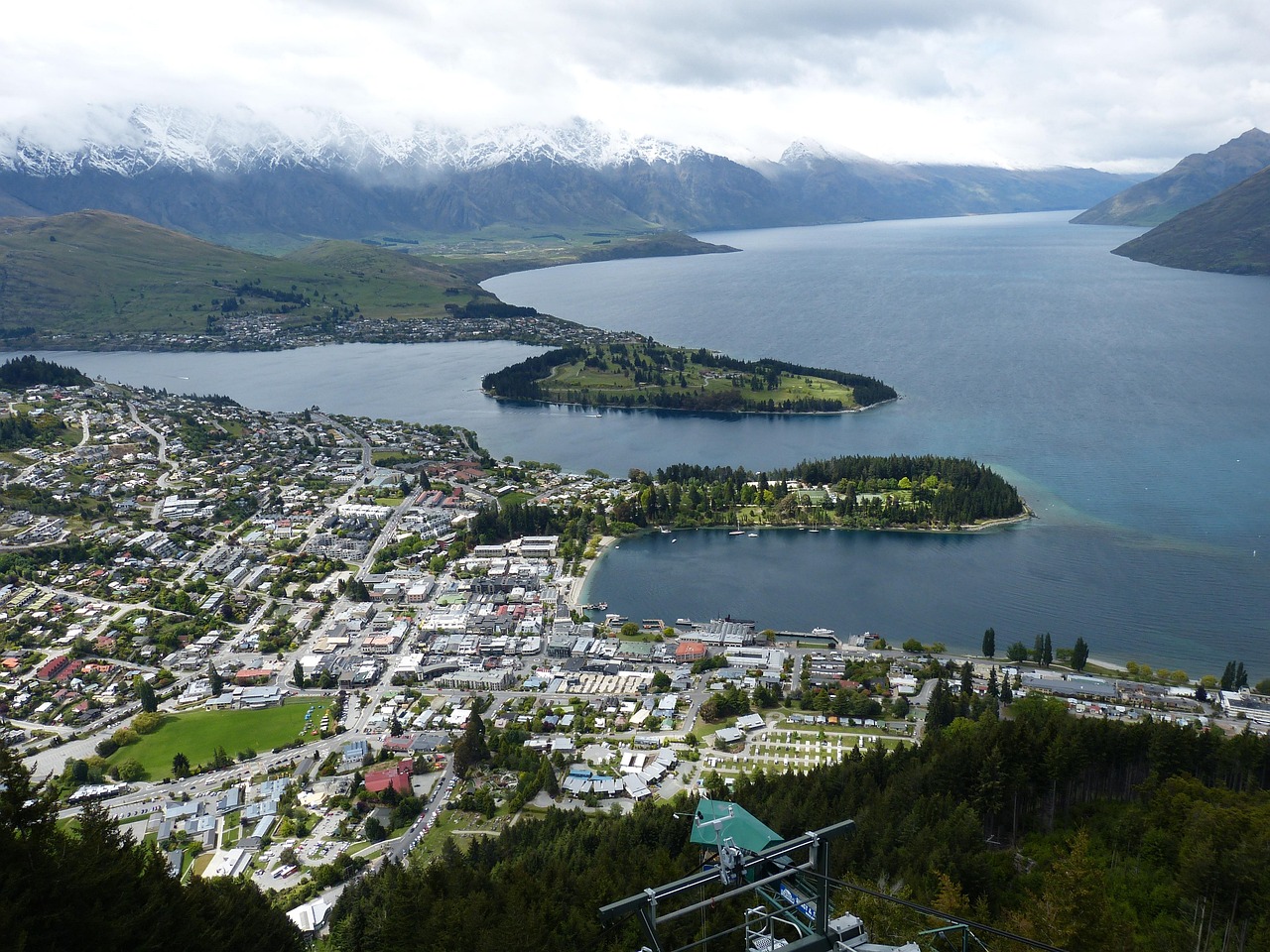
If you cannot wait for winter, or want to ski in the British summer, the season in New Zealand, Chile and Argentina runs from about June to early October. The 2026 season has just finished, so this is one to plan for 2027.
New Zealand - Queenstown, Wānaka and Mt Hutt
Known for: Queenstown's two ski areas, Coronet Peak (with night skiing) and The Remarkables, plus Cardrona and Treble Cone near Wānaka, which together make the largest ski area in New Zealand. Mt Hutt is the big ski area near Christchurch.
Who it suits: all levels, and anyone who wants adventure activities and wine country between ski days.
Season and getting there: Cardrona plans to open on 12 June 2027 and Treble Cone on 26 June; in 2026 Coronet Peak and The Remarkables opened on 13 June. Fly into Queenstown; Coronet Peak is about 20 to 25 minutes from town. UK visitors need a New Zealand Electronic Travel Authority (NZeTA). See our New Zealand eSIM plans and our pages on Queenstown and Wānaka.
Chile and Argentina - skiing in the Andes
From Santiago, Valle Nevado, La Parva and El Colorado are about an hour and a half away, so you can stay in the city and ski by day. Portillo, about three hours from Santiago, is the oldest ski resort in South America, set beside a mountain lake. In Argentina, Cerro Catedral near Bariloche has 58 runs for all levels, with Patagonian lake views. The season usually runs from June to September. The FCDO notes that altitude sickness is a risk and that mountain and helicopter rescue may be charged, so check your insurance covers it. See our Chile and Argentina eSIM plans, and our pages on Santiago and Bariloche.
Staying connected on the mountain
Signal at altitude: in the big resorts you will usually have signal in the village, around the main lift stations and on much of the busy piste network. It gets patchy in steep side valleys, on tree-lined runs, behind ridges and off-piste, which is exactly where you would most want it. Never treat your phone as your safety kit: off-piste, go with a qualified guide, carry an avalanche transceiver, shovel and probe, and know how to use them. In Italy, carrying them off-piste is a legal requirement.
Apps worth installing before you go:
- Your resort's official app for lift and piste status, the piste map and sometimes your lift pass. Save a screenshot of the piste map too, in case you lose signal.
- The official avalanche bulletin if you go anywhere near off-piste: the SLF's White Risk app in Switzerland, Météo-France's avalanche bulletin in France, avalanche.report for Tyrol, South Tyrol and Trentino, the AINEVA regional bulletins in Italy, Varsom in Norway, avalanche.org in the USA and Avalanche Canada.
- The Rega app in Switzerland: if you raise an alarm, it automatically sends your location to Rega's operations centre. It needs location services switched on and at least a little signal, and it also works in neighbouring countries including France, Italy and Austria.
- A messaging app with live location sharing, so your group can find each other at lunch.
- Offline maps for the valley and the roads in. Download them over Wi-Fi before you leave.
How much data you need: a ski week of messages, maps, lift updates, weather checks and photo sharing fits comfortably in a few gigabytes for most people. Video calls, uploading video clips and streaming on the transfer coach use far more, so leave big uploads and photo backups for the chalet Wi-Fi and turn off automatic backup over mobile data. If you share your connection with the family as a hotspot, allow more.
The roaming trap: France, Switzerland, Italy and Andorra
Several of the best ski areas in Europe cross borders: the Portes du Soleil (France and Switzerland), Zermatt and Cervinia (Switzerland and Italy), Ischgl and Samnaun (Austria and Switzerland) and the Mont Blanc massif between Chamonix and Courmayeur. Ofcom warns that near a border your phone "might accidentally roam" when the signal from across the border is stronger, and high in the mountains that can happen without you crossing a border at all.
Why it matters: Switzerland and Andorra are not in the EU, so check how your UK provider charges for them before you go. With an eSIM, a single-country plan only works in that country, so a France plan will not connect on the Swiss side of the Portes du Soleil. The simple fixes:
- For a cross-border ski area, choose a regional plan and check that its plan page lists every country you will ski in. Each of our Europe plans shows its country list on the plan page.
- Many Europe-wide plans do not include Andorra, so check it is listed, or buy an Andorra plan.
- Keep your UK SIM in the phone for bank texts, but turn off data roaming on that line so it cannot run up charges in the background.
Insurance, the GHIC and Switzerland
Get proper winter sports cover. Winter sports are not usually included in standard travel insurance, so you may need an add-on. Read the small print for:
- Off-piste: many policies do not cover skiing off-piste without a guide. The FCDO warns that skiing off-piste in Austria can invalidate your insurance.
- Mountain rescue and helicopter evacuation, which the FCDO advises making sure are covered in France, Switzerland and Austria, and medical repatriation to the UK.
- Helmets: many policies require you to wear one, and in Italy it is the law for everyone.
- Alcohol: an accident after a few drinks at après can invalidate a claim.
- Your kit: damage to hired equipment is often excluded, so check that, along with cover for your lift pass, ski school and piste closures.
The GHIC and EHIC: a UK GHIC or UK EHIC gives you state healthcare at the same cost as a resident in EU countries and the wider European Economic Area, which includes Norway. It is not an alternative to travel insurance, and the NHS is clear that it does not cover ski or mountain rescue, being flown back to the UK or treatment in a private medical facility. If you are taken to a private clinic, you may have to pay.
Switzerland: a UK GHIC can be used in Switzerland if you are a British national (or a Swiss or EU national, a refugee or stateless person, or a family member of one), and you may be asked to prove your nationality. A UK EHIC is valid in Switzerland too. It still only covers state healthcare, so winter sports insurance is essential.
Andorra: neither the GHIC nor the EHIC is valid, so you need comprehensive travel and medical insurance that covers skiing.
Further afield: in the USA, Canada, Japan, Chile and Argentina your insurance does all the work, and medical bills can be very high, so check the cover limit is generous.
Emergency numbers: 112 works across the EU, and in Switzerland and Andorra too. In Switzerland, Rega's air rescue number is 1414. Norway uses 113 for an ambulance, the USA and Canada 911, Japan 119, New Zealand 111, Chile 131 and Argentina 107. Save the resort's own piste rescue number from your lift pass or the resort app.
Why your phone dies on the chairlift
Phone batteries hate the cold. Apple says iPhones are designed to be used between 0C and 35C, and warns that cold can temporarily shorten battery life and even make the phone switch off. Samsung gives the same 0C to 35C range for Galaxy phones. A cold phone may also refuse to charge until it warms up. The good news is that the battery recovers once it is warm again. To keep going all day:
- Keep your phone in an inside pocket, close to your body, not in an outside jacket pocket or on the table at the mountain restaurant.
- Turn on Low Power Mode or battery saver before you head up, and turn the screen brightness down.
- GPS ski-tracking apps and hunting for a weak signal both drain the battery. If you know you will be out of signal for a while, aeroplane mode saves power, but switch it off whenever you might need to make a call.
- Carry a small power bank and keep that warm too. Let a cold phone warm up indoors before you charge it.
- Write down your accommodation address, your group's meeting point and the emergency numbers, just in case.
Entry rules: what has changed
The EU's Entry/Exit System (EES) started on 12 October 2025 and is now used across the Schengen area, which includes Switzerland and Norway: the first time you enter, your fingerprints and photo are registered at the border, and the registration lasts three years. ETIAS, the travel authorisation for visa-free visitors, is not live yet. The gov.uk guidance says it is expected from autumn 2026, with the date still to be announced, and warns that any website selling ETIAS now is doing so fraudulently. For the USA you need an ESTA (or a visa), for Canada an eTA if you fly in, and for New Zealand an NZeTA. Always check the latest gov.uk foreign travel advice for each country before you go.
If you can only pick one
For a first ski holiday, go to Andorra or Mont-Tremblant. For a family week that just works, try Trysil or the Portes du Soleil. If you want the most kilometres you can ski in a week, choose the 3 Vallées. For serious terrain and a great night out, it is St. Anton or Verbier. For the trip of a lifetime, go powder skiing in Niseko. And if you simply want the most beautiful views from a chairlift, you will struggle to beat Zermatt or the Dolomites.
Before you go
- Check your phone supports eSIM on our compatibility checker.
- Install your eSIM over Wi-Fi at home before you fly. The plan starts when it first connects in your destination, not when you install it.
- Skiing in more than one country, even for a day? Choose a plan whose page lists every country you will visit.
- Buy winter sports insurance that covers mountain rescue, helicopter evacuation, repatriation and any off-piste skiing you plan, and pack your GHIC or EHIC for Europe.
- Install the resort app and the local avalanche bulletin, and download offline maps.
- Pack a power bank and keep your phone in an inside pocket.
- Keep your UK SIM in the phone for bank texts, with data roaming turned off on that line.
A note on dates: opening and closing dates depend on the snow, and resorts can change them at short notice, so check your resort's own website before you book. Entry rules and travel advice can change too, so check the gov.uk travel advice for each country on your trip. Everything in this guide was checked on 21 October 2026.
Browse all our destinations, or use Find My Plan to get a suggestion in a few questions. A selection of plans for each destination is below.
Photos on Pixabay: Gylfi (cover), pasja1000 (Zermatt), Simon (Aiguille du Midi), alpenatureski (St. Anton), valtercirillo (Dolomites), Ebowalker (Whistler), swissbanana (Niseko), Sturrax (Lapland), AlLes (Arinsal) and falco (Queenstown).