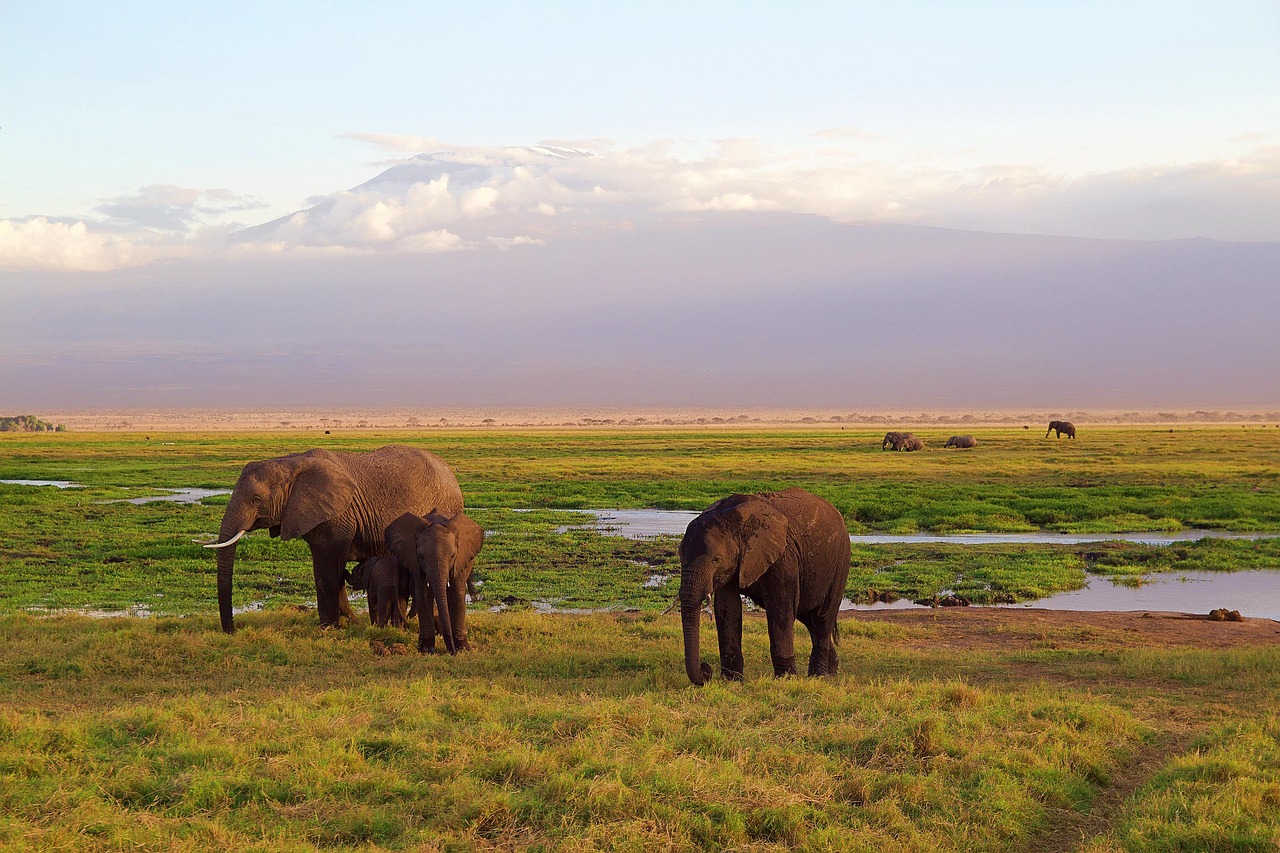
Africa's top 14 destinations: safaris, gorillas, islands and deserts
Africa is not one trip, it is dozens. In a single continent you can watch a million wildebeest pour across the Kenyan plains, sit an hour with a family of mountain gorillas in a Rwandan forest, sleep under Saharan stars in Morocco and snorkel over coral in the Seychelles, and that is before you reach the cities, the vineyards and the ancient temples. It has more than 50 countries, deserts and rainforests, glaciers on the equator and some of the oldest human history on earth. However many times you go, there is always somewhere new to discover.
This guide picks 14 destinations that show that variety, with what makes each one special, when to go, what to check before you book and how to travel in a way that helps the wildlife and the people who live alongside it. Each section links to our eSIM plans for that country, so you can land with data wherever you start.
Why Africa is a continent of discovery
Part of the magic is scale. The Sahara alone is roughly the size of the United States, and the Great Rift Valley runs for thousands of kilometres from the Red Sea to Mozambique, throwing up volcanoes, soda lakes and Africa's highest peaks along the way. Part of it is wildlife you simply cannot see anywhere else in the wild: lemurs live naturally only in Madagascar, and mountain gorillas only in the forests where Rwanda, Uganda and the Democratic Republic of Congo meet. And part of it is people: hundreds of languages, cuisines and musical traditions, from Dakar's live music scene to the spice markets of Zanzibar.
Whatever kind of holiday you like, there is an African version of it:
- Safari: the classic big-game parks of Kenya, Tanzania, Botswana, Zambia and South Africa.
- The Great Migration: wildebeest and zebra moving between Tanzania's Serengeti and Kenya's Maasai Mara.
- Gorilla and primate trekking: mountain gorillas in Rwanda and Uganda, chimpanzees in Uganda's Kibale forest, lemurs in Madagascar.
- Beaches and islands: Zanzibar, Mauritius, the Seychelles and Madagascar.
- Deserts: the dunes of the Moroccan Sahara and Egypt's Nile valley set between two deserts.
- Mountains and trekking: Kilimanjaro, the High Atlas, the Rwenzori and the Drakensberg.
- Cities and culture: Marrakech, Cape Town, Dakar and Accra.
- History: the pyramids and temples of Egypt and the coastal forts and castles of Ghana.
- Food and wine: the Cape Winelands, Moroccan tagines and Zanzibar's spice farms.
Travelling responsibly: what eco-tourism really means here
In much of Africa, tourism is one of the main things that pays for conservation. That is not a slogan: it is written into how many parks are run. In Rwanda, 10% of gorilla permit revenue goes to communities around the parks, and the Uganda Wildlife Authority shares 20% of its park revenue with neighbouring communities, plus a fixed sum from every Bwindi gorilla permit. In Kenya's Maasai Mara conservancies, Maasai landowners are paid lease fees for keeping their land open to wildlife rather than fencing or farming it. In South Africa, SANParks uses conservation fees to fund its work, including anti-poaching. Mountain gorillas are one of the few great apes whose numbers have risen in recent decades: the IUCN moved them from Critically Endangered to Endangered in 2018.
That said, a green label on its own tells you little, and the long-haul flight is usually the biggest part of a trip's footprint, so it is worth going for longer and less often rather than pretending a holiday is "carbon neutral". A few things that genuinely make a difference:
- Ask specific questions before you book a lodge: who owns the land, how local people benefit, how water and power are managed, and how many vehicles are allowed at a sighting. Good operators answer easily.
- Book permits through official channels or licensed operators, and do not buy safari tours from touts, as the FCDO also advises for Kenya.
- Keep your distance and follow the guide and the park rules, especially with gorillas and chimpanzees, which can catch human illnesses. If you are unwell on the day of a trek, say so.
- Skip the selfie attractions that let you handle wild animals, and never buy ivory, rhino horn, shells, rosewood or other wildlife products: they are illegal to trade in many of these countries.
- Spend locally: local guides, family-run guesthouses, community-run cultural visits and crafts bought from the people who made them.
Morocco - souks, the High Atlas and the Sahara
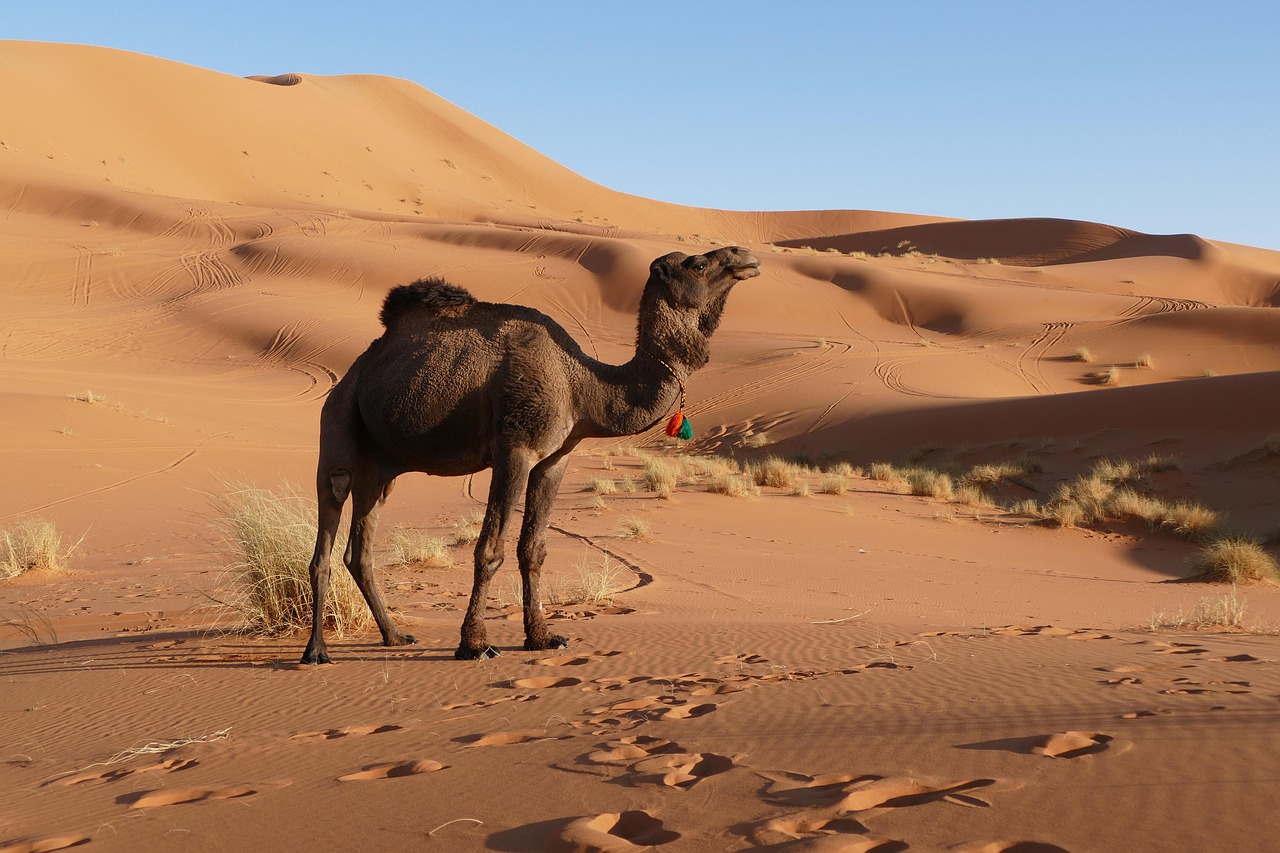
Morocco is Africa's easiest introduction from the UK: a short flight, little or no time difference, and a different world when you land. In a week you can lose yourself in the lanes of a thousand-year-old medina, walk in the High Atlas and spend a night in a desert camp among the dunes.
Highlights: the medinas of Marrakech and Fez, both UNESCO World Heritage Sites; the earthen ksar of Ait-Ben-Haddou on the old caravan route; trekking in Toubkal National Park, home to Jebel Toubkal, at 4,167 m the highest peak in North Africa; and the Erg Chebbi dunes near Merzouga for a camel ride at sunset.
Travelling well: the southwest's argan forest is a UNESCO Biosphere Reserve, and the oil is traditionally made by local women, so buying it from a cooperative puts money where the trees are. Water is precious in much of the country, so short showers in desert camps really do help.
Best time to go: spring (March to May) and autumn (September to November). World Meteorological Organization averages for Marrakech put highs at about 24-29C in spring, against 37-38C in July and August. Desert nights are cold in winter: Ouarzazate averages lows of around 2C in January.
Heads-up: British passport holders can visit for up to 90 days without a visa, and your passport must be valid for at least 3 months after you arrive. Check that the border officer stamps your passport on entry, as some travellers without a stamp have had trouble leaving. See the gov.uk travel advice for Morocco.
Staying connected: our Morocco travel guide has more on planning, and our Morocco eSIM plans keep you on maps in the medina, where getting lost is half the fun but finding your riad again is the other half.
Egypt - pyramids, the Nile and Red Sea reefs
Few places pack so much history into one river valley. Egypt combines the Pyramids, the temples of Luxor and a Nile cruise with some of the best reefs within reach of the UK, and it is only two hours ahead in winter.
Highlights: the Pyramids of Giza and the Grand Egyptian Museum, officially inaugurated on 1 November 2025; Karnak, Luxor Temple and the Valley of the Kings, all part of UNESCO's Ancient Thebes site; a Nile cruise or felucca sail between Luxor and Aswan; and diving or snorkelling off Sharm El Sheikh and Hurghada.
Travelling well: Ras Mohammed, at the tip of the Sinai, was established in 1983 as Egypt's first protected area, and the Red Sea conservation group HEPCA has installed more than 1,000 mooring buoys so boats do not drop anchor on the coral. Choose dive centres that use them, and never stand on or touch the reef.
Best time to go: October to April. World Meteorological Organization averages put Luxor's highs at 23-25C from December to February, against more than 40C in June to August, with almost no rain all year.
Heads-up: British passport holders normally need a visa, either an e-visa before you travel or a visa on arrival at approved airports, and your passport must be valid for at least 6 months from arrival. The FCDO advises against all or all but essential travel to some parts of Egypt, including North Sinai, the area near the Libyan border and much of the Western Desert. Cairo, Luxor, Aswan and the Red Sea resorts are outside those areas, but check the gov.uk travel advice for Egypt before you book and again before you fly.
Staying connected: read our Egypt travel guide, then pick from our Egypt eSIM plans for maps, ride-hailing in Cairo and transfer messages from the moment you land.
Kenya - the Maasai Mara and the Great Migration
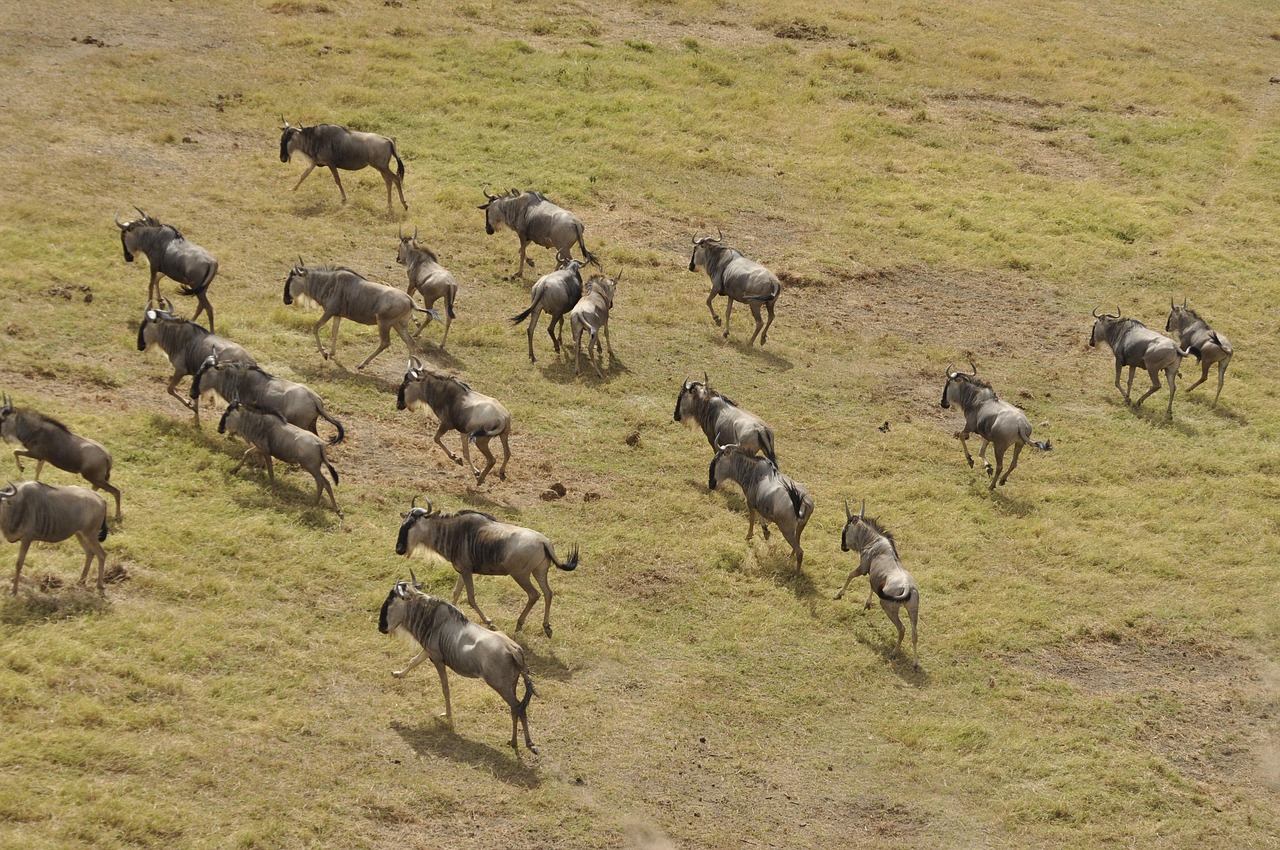
For many people, Kenya is the picture that comes to mind when they think of safari: open savannah, acacia trees, lions in the long grass and Maasai herders in red shukas. It is also one of the best places to see how safari can work for local people.
Highlights: the Great Migration in the Maasai Mara, at its most dramatic from July to October when the herds cross the Mara River; elephants beneath Kilimanjaro in Amboseli; Lake Nakuru, Kenya's first government-managed rhino sanctuary; and a few days on the coast to finish.
Travelling well: the conservancies around the Maasai Mara National Reserve are a model worth supporting. More than 15,000 Maasai landowners lease their land to the conservancies, and in return receive guaranteed lease fees from the tourism partners, and camp numbers are limited, so you often have a sighting to yourself. Find out more from the Maasai Mara Wildlife Conservancies Association.
Best time to go: July to October for the migration, and January to February for warm, mostly dry game viewing. The long rains peak around April and May, when Nairobi averages around 16 rainy days a month, with shorter rains in November.
Heads-up: you must apply online for an Electronic Travel Authorisation (eTA) before you travel, and since 5 October 2026 most visitors must also have Kenyan Government travel health insurance, bought as part of the eTA application; your own travel insurance does not replace it. Your passport needs 6 months' validity and 2 blank pages. The FCDO advises against all or all but essential travel to areas near the Somali border and parts of the northern coast, including most of Lamu County (Lamu and Manda islands are excepted); Nairobi, the main safari parks and the coast around Mombasa are outside those areas. The FCDO also reports that Kenya confirmed an imported Ebola case on 6 October 2026 and has public health measures in place, so read the gov.uk travel advice for Kenya close to your departure.
Staying connected: camps often have Wi-Fi only in the main area, so a Kenya eSIM is handy on transfer days and in Nairobi. Coverage thins out in remote parks, so download offline maps before you head out.
Tanzania and Zanzibar - Serengeti, Kilimanjaro and spice-island beaches
Tanzania has a remarkable concentration of the continent's headline sights: the Serengeti, the Ngorongoro Crater and Kilimanjaro are all UNESCO World Heritage Sites, and the white beaches of Zanzibar are a short flight away for the perfect end to a safari.
Highlights: the Serengeti, where the wildebeest give birth in the south around January and February; the wildlife-packed floor of the Ngorongoro Crater; climbing Kilimanjaro, at 5,895 m the highest point in Africa; and Stone Town in Zanzibar, with its carved doors, spice farms and sunset dhows.
Travelling well: on Kilimanjaro, every climb must be guided by a licensed operator, and choosing one that pays and equips its porters fairly matters as much as the route. On Zanzibar, Jozani Chwaka Bay National Park protects the endemic Zanzibar red colobus monkey, and a guided walk there supports the forest and the villages around it.
Best time to go: June to October is the long dry season and the classic safari window; January and February are good for calving in the southern Serengeti. The long rains fall roughly from March to May, when Dar es Salaam averages over 250mm in April. Zanzibar is driest from June to October.
Heads-up: you need a visa: apply for an e-visa before you travel, or get a single-entry visa on arrival at the main ports of entry. All visitors to mainland Tanzania and Zanzibar must also buy mandatory Tanzanian Government inbound travel insurance, even if they have their own policy. The FCDO advises against all but essential travel within 20km of the border with Mozambique's Cabo Delgado province, far from the main safari circuit and Zanzibar. See the gov.uk travel advice for Tanzania.
Staying connected: our Tanzania eSIM plans are worth installing before you fly, as many itineraries include an early bush flight. Each plan's page shows which networks it uses and where it works.
Rwanda - mountain gorillas and the land of a thousand hills
Rwanda is small, green and hilly, with a calm, clean capital in Kigali and some of Africa's most carefully managed wildlife experiences. An hour with a mountain gorilla family in Volcanoes National Park is one of those travel moments people talk about for the rest of their lives.
Highlights: gorilla trekking in Volcanoes National Park; chimpanzees and forest walks in Nyungwe, which became a UNESCO World Heritage Site in 2023; savannah safari in Akagera, where lions returned in 2015 and rhinos in 2017; and Kigali's markets, cafes and craft shops.
Travelling well: gorilla trekking is deliberately limited: a maximum of 8 visitors per group, one hour with the gorillas, and a minimum age of 15. Permits are expensive by design, and 10% of permit revenue goes to communities around the parks. Book through Visit Rwanda or a licensed operator, and book early for the dry season. Rwanda has banned plastic bags since 2008, and they can be confiscated on arrival, so pack without them.
Best time to go: gorilla treks run all year, but the trails are easiest in the drier months. Kigali's long-term averages show June to August as the driest stretch, with only one or two rainy days in June and July, against 15-18 a month in the wettest periods (March to May and October to November).
Heads-up: British citizens can get a free 30-day visa on arrival, and passports need 6 months' validity. The FCDO advises against all but essential travel to the parts of Rusizi District within 10km of the border with the Democratic Republic of Congo (DRC), including the Rwandan islands in Lake Kivu and Kamembe Airport. Because of the Ebola outbreak in the DRC, Rwanda has health screening at Kigali airport, and these measures can change at short notice. Check the gov.uk travel advice for Rwanda.
Staying connected: install one of our Rwanda eSIM plans before you fly and you can message your driver and guide from the arrivals hall.
Uganda - Bwindi's gorillas and the source of the Nile
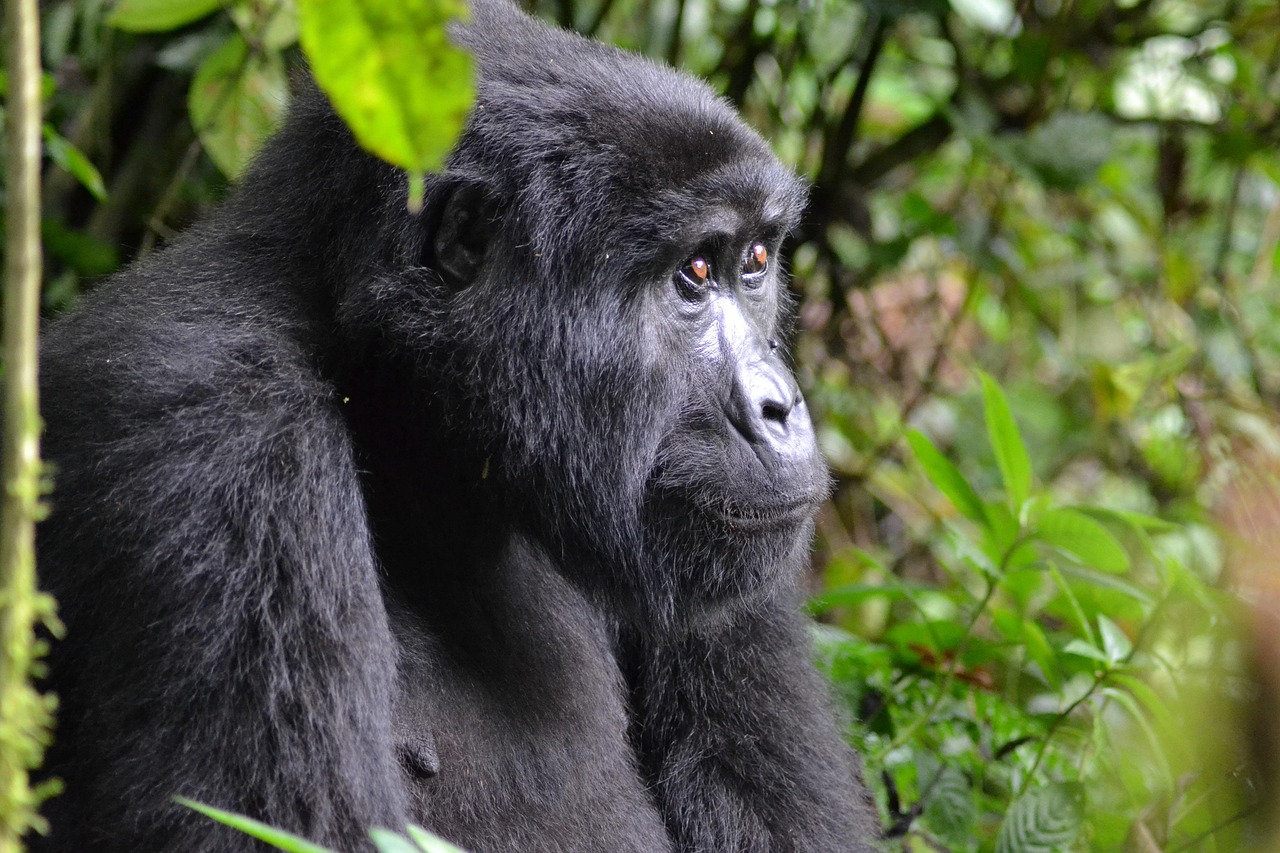
Uganda packs rainforest, savannah, crater lakes and snow-capped mountains into one country, and it is home to around half of the world's mountain gorillas. It feels wilder and less polished than some of its neighbours, which is exactly why many people love it.
Highlights: gorilla trekking in Bwindi Impenetrable National Park and Mgahinga; chimpanzee tracking in Kibale; Murchison Falls, where the Nile forces its way through a gorge just 8 metres wide; and trekking in the Rwenzori, the legendary "Mountains of the Moon".
Travelling well: permits are sold by the Uganda Wildlife Authority, with the same rules as Rwanda: 8 visitors per gorilla group, one hour, minimum age 15. The UWA shares 20% of its park revenue with neighbouring communities, plus a fixed sum from every Bwindi gorilla permit, which has helped turn local people into partners in protecting the forest.
Best time to go: June to August is the driest stretch, and December to February is drier than the rest of the year. At Kabale, the nearest long-term weather station to Bwindi, June and July average only two or three rainy days, against 13-16 in the wettest months.
Heads-up: you must apply for a visa online before you travel; an East Africa Tourist Visa also covers Kenya and Rwanda. Bwindi and Mgahinga are in the far south-west near the DRC and Rwanda borders: the FCDO says to use reputable, registered tour operators, notes that security staff routinely accompany gorilla treks there, and advises avoiding tours that cross into the DRC. The World Health Organization declared Uganda's Ebola outbreak over on 27 August 2026, while the outbreak in the DRC continues. Read the gov.uk travel advice for Uganda before you book.
Staying connected: our Uganda eSIM plans cover the long drives between parks, though signal can drop in deep forest and remote valleys, so download offline maps first.
Zambia - Victoria Falls and the home of the walking safari
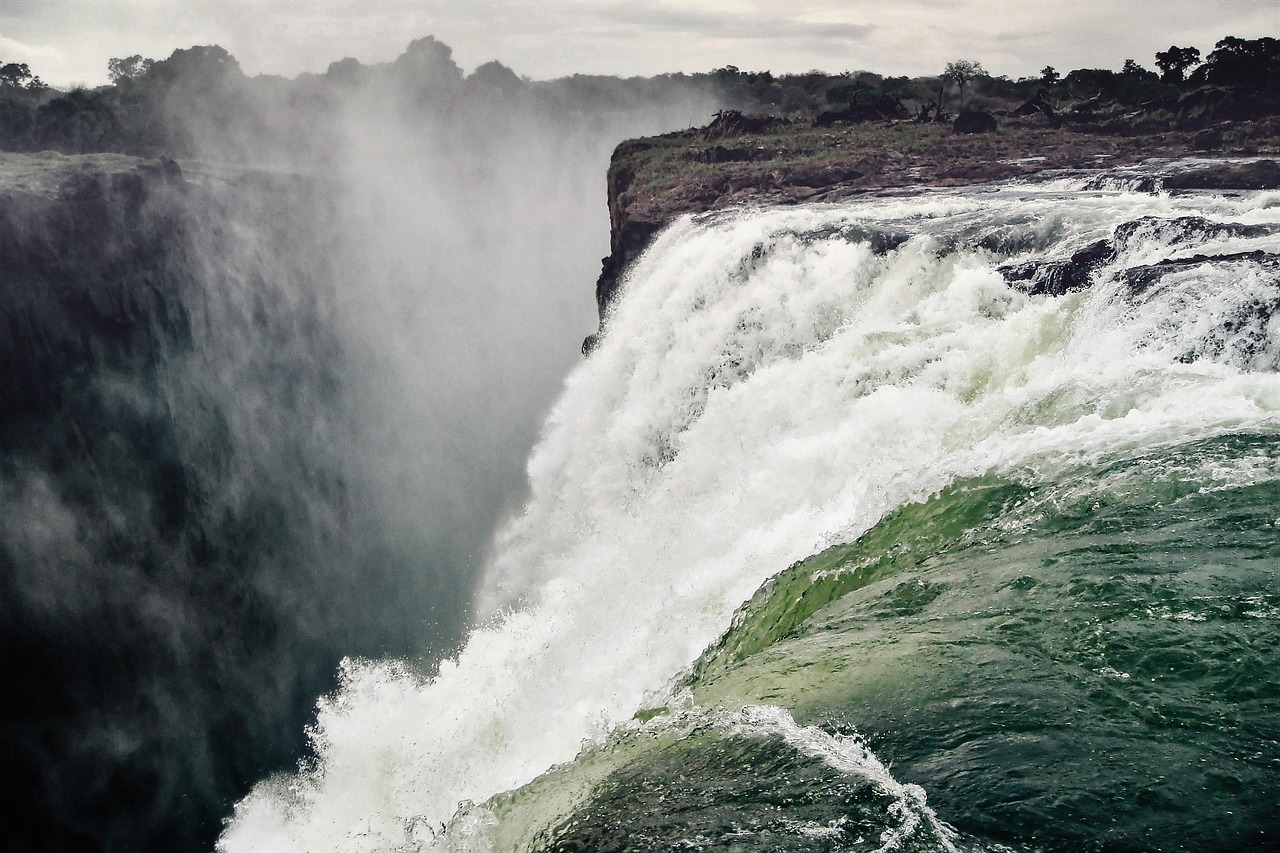
Zambia is for travellers who want their safari wild and uncrowded. It shares Victoria Falls with Zimbabwe, known locally as Mosi-oa-Tunya, "the smoke that thunders", and its national parks are far quieter than East Africa's big names.
Highlights: Victoria Falls from the Livingstone side; walking safaris in South Luangwa, where the walking safari began; canoeing past elephants and hippos on the Lower Zambezi; and sunset cruises above the Falls.
Travelling well: a walking safari is about as low-impact as wildlife watching gets: no engine, no road, just a qualified guide and the tracks in the sand. Zambia is also part of the Kavango Zambezi Transfrontier Conservation Area (KAZA), a partnership of five countries that keeps wildlife corridors open across borders.
Best time to go: June to October for game viewing, when there is almost no rain. October is very hot: World Meteorological Organization figures put South Luangwa's average highs at about 37C. The Falls are fullest around March to May (expect to get soaked by the spray) and lowest around November and December, according to Zambia Tourism.
Heads-up: British passport holders do not need a visa for Zambia, but passports need 6 months' validity and 2 blank pages. If you want to see the Falls from both sides, the KAZA UNIVISA covers Zambia and Zimbabwe, plus day trips to Botswana. See the gov.uk travel advice for Zambia.
Staying connected: take a look at our Zambia eSIM plans. Remote camps can be well out of range, which is part of the appeal.
Botswana - the Okavango Delta and Chobe's elephants
Botswana is the place for a quiet, unhurried safari. Much of it is wilderness, and the Okavango Delta, UNESCO's 1,000th World Heritage Site, is a maze of channels and islands explored by mokoro (dugout canoe), on foot and by light aircraft.
Highlights: gliding through the Okavango by mokoro; the elephant herds of Chobe National Park, part of the largest elephant population in Africa; the vast salt pans of the Makgadikgadi; and the Kalahari.
Travelling well: Botswana has long marketed itself as a high-value, low-volume destination, especially in sensitive areas like the Okavango, with small camps and limited numbers. It costs more, but it means fewer vehicles and less pressure on the land.
Best time to go: June to October. In a twist of nature, the floodwaters from rain that fell in Angola months earlier reach the delta in the dry winter, peaking around June to August. World Meteorological Organization averages for Maun show almost no rain from May to September, but nights in June and July average around 7-8C, so pack warm layers for early game drives.
Heads-up: you can visit for up to 90 days without a visa. Your passport needs 6 months' validity and at least 3 blank pages, which catches people out. See the gov.uk travel advice for Botswana.
Staying connected: in the delta itself you will often be off-grid, but our Botswana eSIM plans are useful in Maun, Kasane and on the road.
South Africa - Cape Town, the Winelands and Kruger
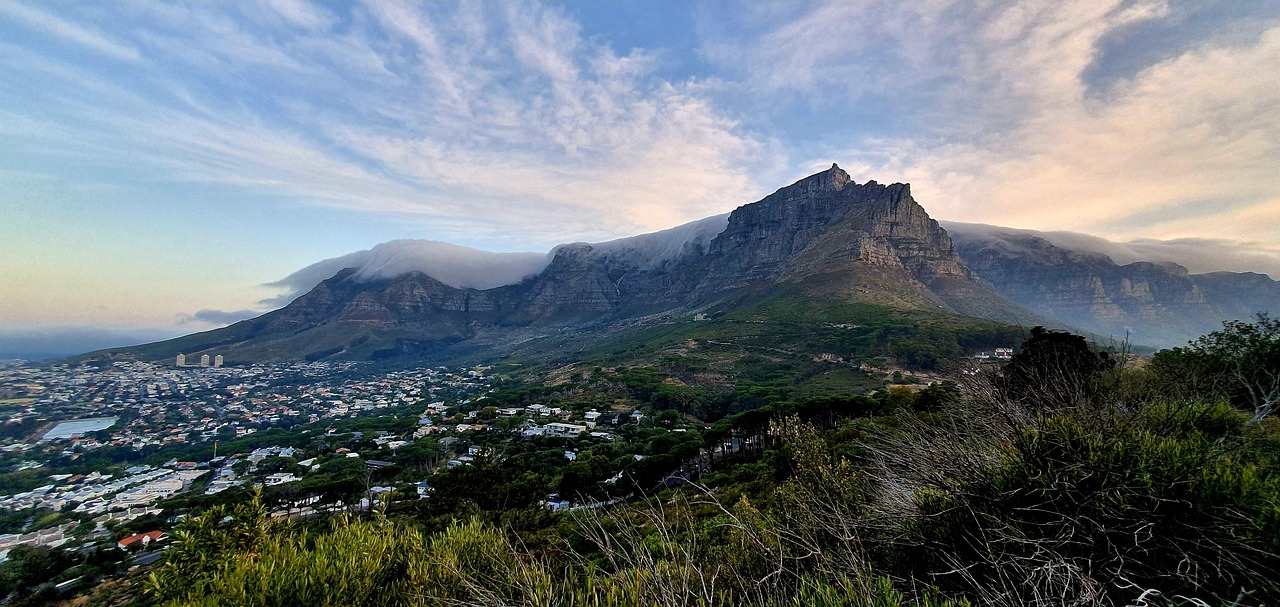
South Africa is the all-rounder: a world-class city, wine country, dramatic coastline and big-game safari in one trip, with good roads and only one or two hours' time difference from the UK.
Highlights: Cape Town and Table Mountain, part of UNESCO's Cape Floral Region with its unique fynbos plants; a boat to Robben Island; tasting your way around Stellenbosch and Franschhoek in the Cape Winelands; whale watching from Hermanus, roughly June to November; and Kruger National Park, nearly 2 million hectares of bush.
Travelling well: paying SANParks conservation fees helps fund the parks, including their anti-poaching work, and the many smaller reserves and community-run lodges spread the benefits further. South Africa bans the trade in ivory and rhino horn, so do not buy anything made from them. Choose sanctuaries that do not offer hands-on contact with wild animals.
Best time to go: it depends on where. Cape Town is best in its dry summer (November to March), with average highs of about 25-26C; June to August are its wettest months. SANParks says the best game viewing in Kruger is in the dry winter, from April to September.
Heads-up: you can visit for up to 90 days without a visa. Your passport must be valid for at least 30 days after you leave and have 2 blank pages, and since 1 July 2026 all travellers must submit an online traveller declaration before travelling. The FCDO reports violent attacks on hikers in Table Mountain National Park, including on Lion's Head and Signal Hill, so hike on busy routes, in a group and in daylight. See the gov.uk travel advice for South Africa.
Staying connected: our South Africa travel guide has more ideas, and our South Africa eSIM plans help with navigation on self-drive routes like the Garden Route.
Madagascar - lemurs, baobabs and wildlife found nowhere else

Madagascar split from the rest of Africa so long ago that much of its wildlife evolved nowhere else. Every lemur species on earth is found only here, and in the eastern rainforests around 80 to 90 percent of plants and animals are endemic. It is a slow, sometimes challenging trip, and an unforgettable one.
Highlights: hearing the eerie call of the indri, the largest lemur, in Andasibe; the Avenue of the Baobabs near Morondava at sunset; the razor-sharp limestone pinnacles of the Tsingy de Bemaraha; and the beaches of Nosy Be.
Travelling well: the IUCN's 2020 Red List update found 98% of lemur species threatened, mostly by loss of their forest homes, so your visit matters. Use local guides in the national parks, which are co-managed with nearby communities, and never buy rosewood, tortoiseshell or other protected products. The eastern rainforests, listed by UNESCO as in danger in 2010 because of illegal logging, were taken off that list in 2025 after a recovery plan.
Best time to go: April to November, the dry season. World Meteorological Organization averages for Antananarivo show rain on 15-19 days a month from December to March, and Madagascar's cyclone season normally runs from November to April. September to November is warm and lively in the forests.
Heads-up: you can visit for up to 15 days without a visa, paying an administration fee on arrival and showing an onward ticket; longer stays need a tourist visa, also available on arrival. Passports need 6 months' validity and 2 blank pages. Madagascar has introduced Ebola-related entry restrictions for people recently in affected countries, so if you are combining it with mainland Africa or connecting through it, check the gov.uk travel advice for Madagascar before you book.
Staying connected: roads are long and slow, and an eSIM from our Madagascar plans keeps you in touch in towns and along the main routes. Expect long stretches with no signal in between.
Mauritius - lagoons, mountains and rescued birds
Mauritius is the easy, relaxed island option: warm lagoons protected by a reef, green volcanic peaks inland and a mix of Indian, African, French and Chinese influences that shows up in everything from the food to the festivals.
Highlights: hiking and waterfalls in Black River Gorges National Park; Le Morne, a UNESCO site and a symbol of resistance against slavery; Aapravasi Ghat in Port Louis, where the modern indentured labour diaspora began; and the lagoons of the east coast.
Travelling well: Mauritius is famous for the dodo, but it is also a conservation success story. The Mauritian Wildlife Foundation has rescued the Mauritius kestrel, echo parakeet and pink pigeon from the brink of extinction, and its guided tours of Ile aux Aigrettes, a restored island reserve, help pay for the work.
Best time to go: May to November is drier and less humid; on the coast at Port Louis, September and October average only about 3 rainy days a month. Officially, the cyclone season runs from 1 November to 15 May.
Heads-up: you can visit for up to 60 days without a visa. In mid-October 2026 the FCDO reported localised demonstrations and temporary overnight curfews on the main island, and Mauritius has Ebola-related entry restrictions for people who have recently been in the DRC or South Sudan. Check the gov.uk travel advice for Mauritius for the latest before you go.
Staying connected: resort Wi-Fi rarely reaches the beach or the hiking trails, so one of our Mauritius eSIM plans is handy for taxis, maps and day trips.
Seychelles - granite beaches and giant tortoises

The Seychelles are what most people picture when they think of a tropical island: powder-white sand, sculpted granite boulders and turquoise water. Beyond the beaches, they take protecting their islands and ocean seriously.
Highlights: the beaches of La Digue, best explored by bike; the Vallée de Mai on Praslin, a UNESCO site and home of the coco de mer, the largest seed in the plant kingdom; island-hopping to Curieuse to see giant tortoises; and snorkelling off Mahé and Praslin.
Travelling well: in 2020 the Seychelles completed a plan to protect 30% of its ocean. Aldabra Atoll, managed by the Seychelles Islands Foundation, has the world's largest population of giant tortoises, more than 100,000. On Cousin Island, run by Nature Seychelles, the Seychelles warbler has recovered from just 26 birds; visiting fees go towards keeping it that way.
Best time to go: warm all year, with average highs of around 28-32C. December and January are the wettest months. April and October, when the winds change direction, usually bring the calmest seas and the best snorkelling. From around May to September, the southeast trade winds can make the sea choppy on some coasts.
Heads-up: you do not need a visa, but you must apply online for a travel authorisation before you travel, and you may be asked for proof of travel insurance on arrival. Your passport must be valid for your whole stay. See the gov.uk travel advice for the Seychelles.
Staying connected: our Seychelles eSIM plans help with ferry times and maps when you are hopping between islands.
Senegal - Dakar's energy, Gorée Island and a birdwatcher's paradise
Senegal is West Africa at its most welcoming: teranga, the Senegalese idea of hospitality, is a point of national pride. Come for the music and the food in Dakar, stay for the history and the birds.
Highlights: Gorée Island off Dakar, a UNESCO site and a moving memorial to the Atlantic slave trade; the colonial town of Saint-Louis, also UNESCO-listed; Lac Rose, which can turn pink in the dry season; and the mangroves and islands of the Saloum Delta.
Travelling well: Djoudj National Bird Sanctuary, a UNESCO site near Saint-Louis, is the first stopover for millions of migrating birds after they cross the Sahara, with pelicans and flamingos from around November to April. Exploring the Saloum Delta by pirogue with a local guide keeps the money in the villages along the water.
Best time to go: November to May. World Meteorological Organization averages for Dakar show almost no rain in those months and pleasant highs of about 25-27C; the rainy season runs from about July to October.
Heads-up: you can visit for up to 3 months without a visa, and your passport must be valid for 6 months from arrival. You need a yellow fever certificate if you arrive from, or transit through, a country with a risk of yellow fever. If you plan to visit the Casamance in the south, read the FCDO's regional advice first. See the gov.uk travel advice for Senegal.
Staying connected: our Senegal eSIM plans work well for ride-hailing and maps in Dakar.
Ghana - coastal castles, canopy walks and Accra's buzz
Ghana is warm, friendly, English-speaking and only one hour behind the UK in summer (and on the same time in winter), which makes it a natural first trip to West Africa. Many visitors come to trace their heritage, and almost everyone leaves talking about the food and the music.
Highlights: the castles of Cape Coast and Elmina, part of UNESCO's Forts and Castles site, sobering places to learn about the slave trade; the canopy walkway in Kakum National Park, seven suspension bridges up to 27 metres above the forest floor; elephants in Mole National Park, Ghana's largest wildlife refuge; and Accra's markets, beaches and nightlife.
Travelling well: stay in locally run guesthouses on the coast, eat at chop bars rather than international chains, and hire a guide at the castles, where the story is told with real care.
Best time to go: December to March are the driest months, with the dusty harmattan wind blowing mainly from December to February. Accra's highs sit around 28-33C all year; May and June are the wettest months.
Heads-up: you need a visa arranged before you travel, and a yellow fever vaccination certificate to enter. Your passport must be valid for 6 months from arrival. The FCDO advises against all but essential travel to the Bawku Municipal area in the far north-east, well away from the coast. See the gov.uk travel advice for Ghana.
Staying connected: our Ghana eSIM plans mean you can call a ride and pay attention to the city rather than your Wi-Fi.
If you can only pick one
For a first taste of Africa on a short break, go to Morocco. For your first safari, Kenya or Tanzania, timed for the migration, are hard to beat, and Tanzania lets you finish on a Zanzibar beach. For a once-in-a-lifetime wildlife encounter, trek to the gorillas in Rwanda or Uganda. If you want city, wine and wildlife in one trip, choose South Africa. And if you simply want to switch off on a beautiful island, pick Mauritius or the Seychelles.
Also worth a look: Cape Verde for Atlantic beaches and loggerhead turtles nesting on Boa Vista from about June to October (choose a small, licensed turtle-watching tour), and Tunisia for Roman ruins, Saharan oases and Mediterranean beaches.
Before you go
- Check your phone supports eSIM on our compatibility checker.
- Install your eSIM over Wi-Fi at home before you fly. The plan starts when it first connects in your destination, not when you install it.
- Download offline maps for every region you visit. Coverage is good in cities but patchy or absent in many parks, deserts and remote areas on any network.
- Visiting several countries? Our Africa regional plans let you use one eSIM across several countries; check each plan's page for the countries it covers before you buy.
- Get travel insurance that covers your activities (trekking, diving, light aircraft) and medical evacuation, and remember that Kenya and Tanzania also require their own government insurance.
- Several of these countries ask for a yellow fever certificate if you arrive from, or transit through, a country with yellow fever risk, which matters on multi-country trips. See TravelHealthPro for vaccinations and malaria advice, ideally at least 6-8 weeks before you go.
- Keep your UK SIM in the phone for bank texts, with data roaming turned off on that line.
A note on a vast continent: Africa is huge, and conditions vary enormously from one country, and one region, to the next. Entry rules, health measures and safety advice can change quickly, so check the gov.uk travel advice for every country on your route when you book and again a few days before you fly. Everything in this guide was checked on 19 October 2026.
Browse all our destinations, or use Find My Plan to get a suggestion in a few questions. A selection of plans for each destination is below.
Photos on Pixabay: Jonny_Joka (Amboseli), nike159 (Merzouga), kabirpatel (Maasai Mara), GeoGab (Bwindi), 8moments (Victoria Falls), sedickjones (Table Mountain), shell300 (Avenue of the Baobabs) and bummelhummel (La Digue).