Egypt: a first-timer's guide to the land of the pharaohs
Few places on Earth carry the weight of wonder quite like Egypt. This is where travel itself was practically invented: Greek and Roman tourists were already scratching their names near the Pyramids two thousand years ago. Today the country still delivers that same jolt of awe - colossal temples glowing at sunset, feluccas drifting past palm-lined riverbanks, coral gardens shimmering beneath the Red Sea - wrapped in a warmth and humour that turns first-time visitors into lifelong returnees. Here is how to make the most of it.
Best time to visit
October to April is Egypt's sweet spot, with warm sunny days and cool evenings that make temple-hopping a pleasure. December and January are peak season in Luxor and Aswan, so book cruises and popular hotels ahead. Summer (June to September) brings serious heat, especially in the south - if that is when you can travel, plan sites for early morning and lean into the Red Sea coast, which is a fine destination year-round. If your dates fall during Ramadan, you can absolutely still visit: sites stay open, evenings turn festive, and sharing the post-sunset buzz around a table of iftar dishes is a highlight in itself.
Top destinations and attractions
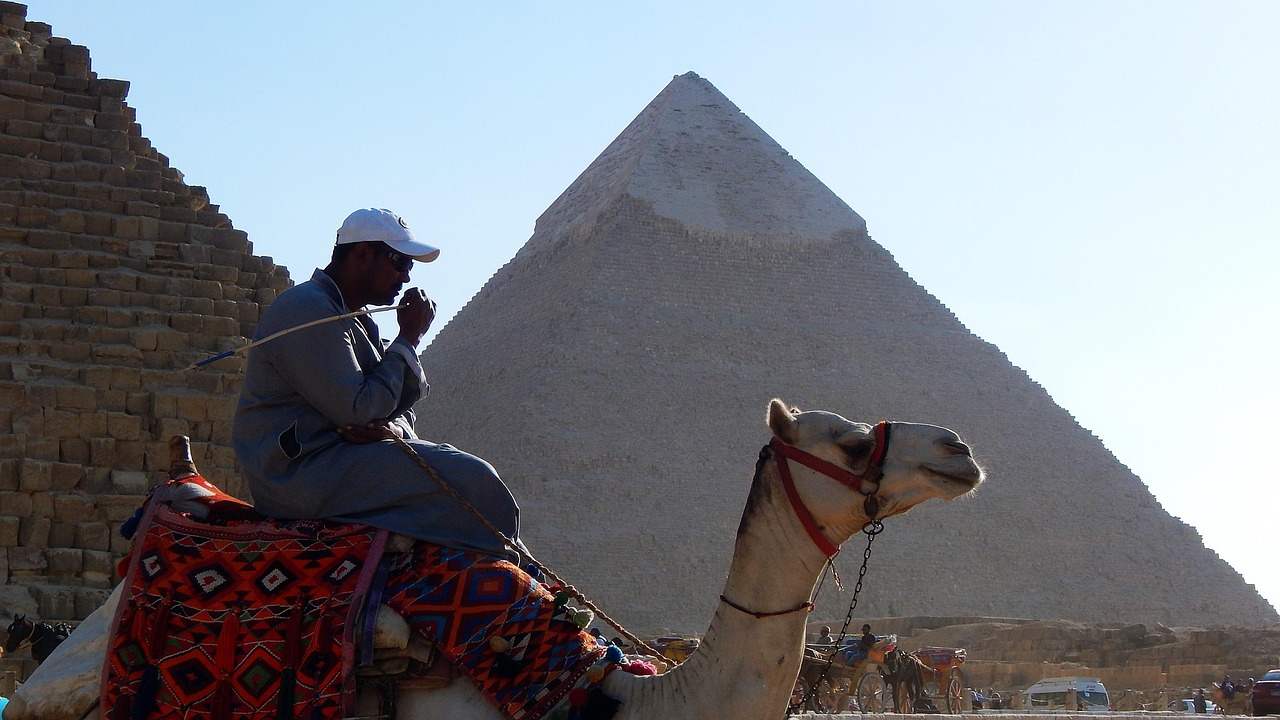
Start with the icons. The Pyramids of Giza and the Sphinx sit right on Cairo's edge, somehow bigger and stranger in person than any photograph suggests. Nearby, the vast Grand Egyptian Museum showcases the treasures of Tutankhamun and millennia of pharaonic artistry on a scale worthy of its subject. Give Cairo itself a day or two: the minarets and medieval gates of Islamic Cairo, the churches of Coptic Cairo, and the joyful chaos of the Khan el-Khalili bazaar.
Then head south. Luxor is often called the world's greatest open-air museum, and it earns the title: the forest of columns at Karnak, the painted royal tombs of the Valley of the Kings, and hot-air balloons drifting over the West Bank at dawn. Aswan is gentler - granite islands, Nubian villages painted in bright blues and yellows, and the island temple of Philae reached by boat. Linking the two by Nile cruise, waking each morning to a new stretch of riverbank, is one of travel's great experiences; a slow sail on a traditional felucca is the budget-friendly, star-filled alternative. On the coast, Hurghada and Sharm El Sheikh serve up world-class diving, snorkelling, and winter sunshine. And for a lesser-known gem, go west: the Siwa Oasis, with its salt lakes, date palms, and mud-brick fortress, feels like another world, while the surreal chalk formations of the White Desert make for the most otherworldly camping trip you will ever take.
Getting around
Distances are long, so mix your transport. Domestic flights connect Cairo with Luxor, Aswan, and the Red Sea resorts quickly and often affordably. The overnight sleeper train from Cairo to Luxor and Aswan is a classic experience that saves a hotel night. Within Cairo, ride-hailing apps are the easiest way to move around and spare you fare negotiations; elsewhere, taxis are plentiful - just agree the fare before you set off. For temple regions, hiring a driver or joining a guided day trip is common, comfortable, and a good way to support licensed local guides whose storytelling brings the stones to life.
Where to stay
Egypt's accommodation spans every budget. Cairo offers everything from international five-stars with Pyramid views in Giza to characterful downtown guesthouses. Luxor and Aswan have storied riverside hotels where the great and good of the golden age of travel once stayed, alongside welcoming family-run spots on the quieter West Bank. Nile cruise boats range from simple to seriously luxurious and double as floating hotels for several nights. On the Red Sea, all-inclusive resorts dominate Hurghada and Sharm El Sheikh, while Dahab keeps a laid-back, backpacker-friendly vibe. Out in Siwa, eco-lodges built from traditional salt-rock and palm materials are an attraction in their own right.
Food and drink
Egyptian food is generous, comforting, and cheap by most standards. Do not leave without trying koshary, the beloved national carb-fest of rice, lentils, pasta, chickpeas, crispy onions, and spiced tomato sauce. Breakfast means ful medames (slow-cooked fava beans) with taameya, Egypt's herb-packed take on falafel. Look out for molokhia, a garlicky green stew, and slow-grilled meats fresh from the coals. Wash it all down with sugarcane juice, hibiscus karkadeh served hot or iced, or endless glasses of sweet mint tea. Stick to bottled or filtered water, and treat fruit juice stalls and busy local restaurants as a feature, not a risk - crowds are usually a sign the food is fresh.
Culture and etiquette
Egyptians are famously welcoming, quick to joke, and proud to show off their country. A few courtesies go a long way: dress modestly away from beach resorts (shoulders and knees covered is a safe rule, with a scarf handy for mosque visits), ask before photographing people, and accept tea when it is offered - refusing outright can feel brusque. Bargaining in bazaars is expected and best treated as friendly sport, with a smile and no hard feelings either way. Tipping, known as baksheesh, oils daily life: small notes for porters, drivers, and washroom attendants are customary, so keep change on hand. Fridays are the main day of prayer, when some businesses open late.
Practical essentials
Visas: Many nationalities can apply for an eVisa online before travelling or obtain a visa on arrival. Rules vary and do change, so check your nationality's current requirements on official channels before booking.
Money: The currency is the Egyptian pound (EGP). Cards are widely accepted in hotels, resorts, and bigger restaurants, but Egypt still runs on cash for taxis, bazaars, and baksheesh - carry small notes and use ATMs in cities and tourist areas.
Staying connected: Save yourself the airport SIM queue: install an Egypt travel eSIM from idealesim over Wi-Fi before you fly, and you will have data on the Orange network the moment you land. Your plan's validity only starts when the eSIM first connects to a network in Egypt, so setting it up days in advance is completely safe - and you will be glad to have maps, translation, and ride-hailing apps working from minute one.
Language: Arabic is the official language, and English is widely spoken in hotels, sites, and anywhere tourism reaches. Learn "shukran" (thank you) and "la, shukran" (no, thank you) - the second is surprisingly useful in the bazaar.
Safety and health: Normal tourist precautions serve you well: use licensed guides, agree taxi fares up front, keep valuables low-key, and expect persistent but good-natured sales patter at major sites - a firm, friendly "la, shukran" works wonders. Sun and heat are the real hazards, so hat, sunscreen, and plenty of bottled water are essentials. Check routine vaccinations with a travel clinic and carry travel insurance.
Plugs: Types C and F (European-style two-pin), 220 volts. One standard European adapter covers you.
Closing thoughts
Egypt is not a museum piece - it is a living, laughing, gloriously noisy country where five thousand years of history share the street with fruit carts and football banter. Come for the Pyramids, stay for the sunset felucca rides, the third glass of mint tea, and the guide who quotes ancient inscriptions from memory. Pack your curiosity, your adapter, and your eSIM, and the land of the pharaohs will handle the rest.