Vietnam: a first-timer's guide from Hanoi to the Mekong
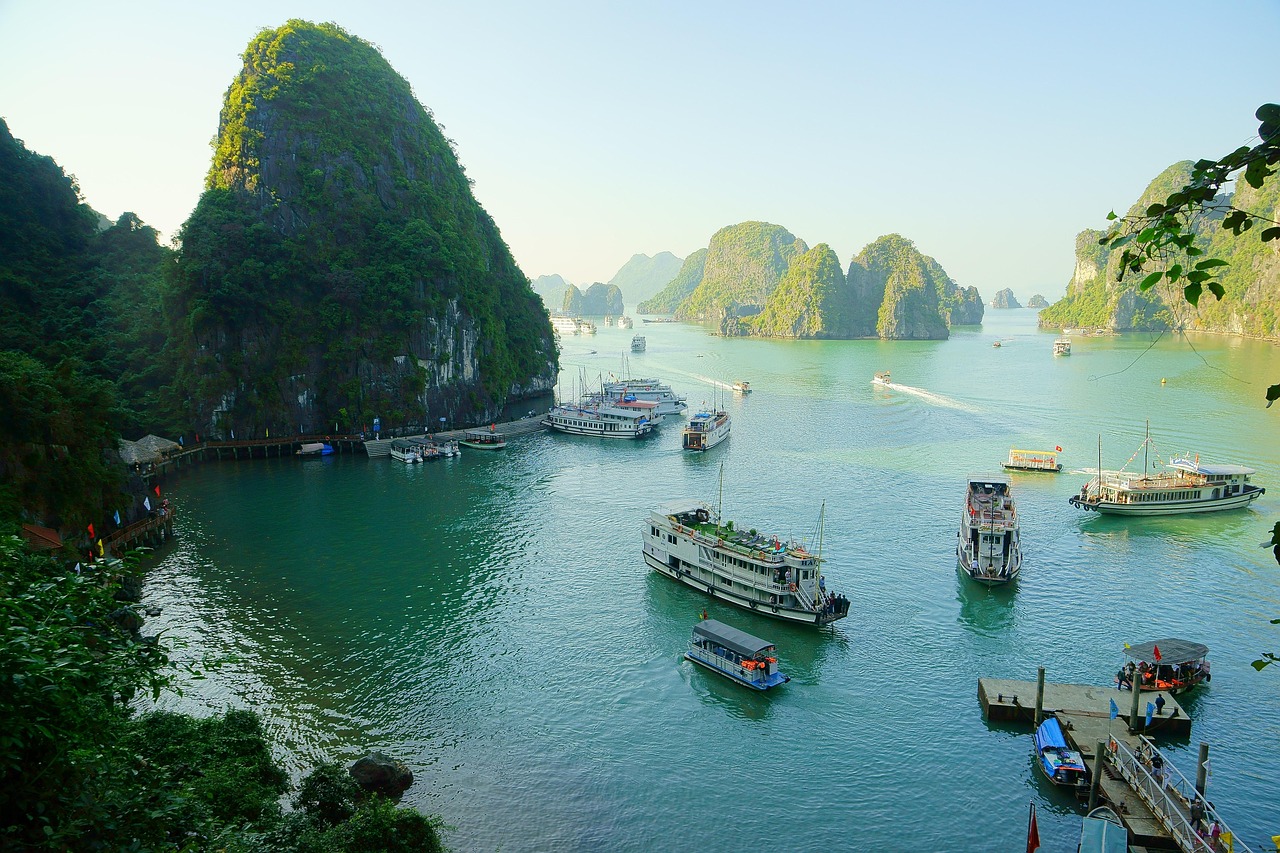
Few countries reward a first visit like Vietnam. In the space of a single trip you can drift past limestone towers rising from a jade-green bay, slurp noodles on a tiny plastic stool while scooters stream past, wander a lantern-lit trading port, and watch the sun sink over rice paddies that glow like stained glass. It is affordable, endlessly photogenic, and powered by some of the friendliest people and finest food in Southeast Asia. Here is how to plan it well.
Best time to visit
There is no single best season for Vietnam - the country stretches so far from north to south that its regions keep entirely different weather calendars, and somewhere is almost always at its best. The north (Hanoi, Ha Long Bay, Sapa) has a genuine four-season pattern: spring (roughly March to April) and autumn (October to December) bring the clearest, most comfortable days, while winter can be cool and misty and summer hot and wet. The central coast (Hue, Da Nang, Hoi An) is generally driest from around February to August, with heavy rain and occasional typhoons late in the year. The south (Ho Chi Minh City, the Mekong Delta, Phu Quoc) stays warm year-round, with a dry season from about December to April and brief afternoon downpours in the wetter months. Pick the region that matters most to you, aim for its sweet spot, and shape the rest of the route around it.
Top destinations and attractions
Start in Hanoi, where the thousand-year-old capital layers pagodas, French colonial boulevards, and the gloriously chaotic Old Quarter around Hoan Kiem Lake. From there, Ha Long Bay's limestone karsts are the classic overnight cruise, while nearby Ninh Binh offers a quieter inland version of the same scenery, threaded with rivers, caves, and rice fields - many travellers now prefer it. In the far north, Sapa's terraced valleys are trekking country, home to a patchwork of ethnic minority villages.
Along the central coast, Hue holds the imperial citadel and royal tombs of the Nguyen dynasty, while Hoi An is the crowd-pleaser: a beautifully preserved trading port of yellow-walled shophouses, tailor shops, and lantern-lit evenings, with beaches a short ride away. Da Nang makes a comfortable modern base between the two. In the south, Ho Chi Minh City hums around sights such as the War Remnants Museum and the Cu Chi tunnels, the Mekong Delta unfolds in floating markets and fruit orchards, and Phu Quoc island supplies the end-of-trip beach time.
Getting around
Vietnam is long and thin, which makes the classic route simple: fly into one end, out of the other, and travel overland in between. Domestic flights linking Hanoi, Da Nang, and Ho Chi Minh City are frequent and inexpensive. The north-south railway is slower but memorable - the stretch between Hue and Da Nang hugs a spectacular coastline - and sleeper trains double as a night's accommodation. Open-tour buses connect the main stops cheaply. Within cities, ride-hailing apps make cars and motorbike taxis effortless. Renting a scooter is popular in quieter areas, but traffic is intense and a proper licence and insurance are essential, so think hard before riding in the big cities.
Where to stay
Accommodation is one of Vietnam's great bargains. A modest budget stretches to spotless guesthouses and family-run "mini hotels"; a mid-range one buys boutique comfort, rooftop pools, and famously attentive service; and at the top end, Vietnam's resorts and heritage hotels rival anywhere in Asia. In Hanoi, base yourself in or near the Old Quarter. In Hoi An, choose between the old town and the beach - they are an easy cycle apart. In Ho Chi Minh City, District 1 keeps the main sights walkable. Homestays in Sapa, Ninh Binh, and the Mekong Delta add a warm, local dimension that hotels cannot match.
Food and drink
Vietnamese food alone justifies the flight. Pho, the fragrant beef or chicken noodle soup, is the national icon, but keep going: banh mi baguettes stuffed with pate and pickles, bun cha grilled pork with herbs (a Hanoi speciality), fresh spring rolls, crisp banh xeo pancakes, and Hoi An's own cao lau noodles. Street food is where the magic happens - look for busy stalls with fast turnover and pull up a stool. Coffee is a national obsession: try ca phe sua da (iced coffee with condensed milk) and Hanoi's celebrated egg coffee. Fresh tropical fruit, sugarcane juice, and cheap local beer round things out, and vegetarians will find good options, especially near pagodas.
Culture and etiquette
Vietnamese culture prizes politeness, respect for elders, and saving face, so a calm smile gets you much further than a raised voice - especially when bargaining, which is expected in markets but should stay good-natured. Dress modestly at temples and pagodas, covering shoulders and knees, and remove shoes when entering homes and some small shops. Use both hands when giving or receiving something from an older person. Ask before photographing people, particularly in ethnic minority villages. Learn a little Vietnamese - "xin chao" (hello) and "cam on" (thank you) - and you will be rewarded with delighted grins.
Practical essentials
Visas: Vietnam offers an e-visa to citizens of many countries, and some nationalities can enter visa-free for short stays. Rules do change, so apply via the official government portal and check your nationality's current requirements before booking.
Money: The currency is the Vietnamese dong (VND). Cash still matters at markets and street stalls, though cards and payment apps are increasingly accepted in cities. ATMs are widespread; carry small notes for daily spending, and double-check the string of zeros when paying - the denominations take a little getting used to.
Staying connected: Data makes Vietnam dramatically easier - maps for the Old Quarter's tangled lanes, translation apps at street stalls, and ride-hailing everywhere. The simplest approach is to install a Vietnam travel eSIM from idealesim over Wi-Fi before you fly. Your plan's validity only starts when the eSIM first connects to a network in Vietnam, so setting it up early is completely safe - and you will land with data working the moment you switch off airplane mode.
Language: Vietnamese is the official language. English is common in hotels and tourist areas, much less so in the countryside - a translation app and a few learned phrases cover the gaps.
Safety and health: Vietnam is generally a safe country for travellers; the main everyday risks are traffic and occasional petty theft in crowded areas, so cross roads steadily and keep phones secure. Drink bottled or purified water rather than tap. Check routine vaccinations with a travel clinic before you go, and carry comprehensive travel insurance.
Plugs: Types A and C are the most common, at 220 volts. A universal adapter covers you.
Closing thoughts
Vietnam is that rare destination that over-delivers on every front: scenery, food, history, value, and above all warmth. Most first-timers leave already planning a second trip - there is always another bowl of noodles, another bay, another mountain valley waiting. Book the flight, pack light, sort your eSIM before you board, and let the country do the rest.