Saudi Arabia: a first-timer's guide to the Kingdom
For decades, Saudi Arabia was one of the hardest countries in the world to visit. Then, in 2019, the doors swung open with a new tourist visa, and travellers discovered what had been waiting all along: 2,000-year-old Nabataean tombs rising out of golden desert, coral reefs to rival anywhere on the Red Sea, mountain villages wrapped in mist, and cities reinventing themselves at astonishing speed. Visiting now feels like arriving early to something big. Here is how to do it well.
Best time to visit
Saudi Arabia is a winter destination. From November to March, temperatures across most of the country are warm and pleasant - ideal for exploring ruins, hiking canyon rims, and lingering in outdoor souqs. Summer (June to September) is fiercely hot in Riyadh and Jeddah, though the high-altitude Asir region around Abha stays surprisingly mild and even catches monsoon rains.
Time your trip around an event if you can. Riyadh Season (roughly October to March) fills the capital with concerts, exhibitions, and pop-up dining, while AlUla's winter festivals stage concerts amid the desert monuments. If your dates overlap with Ramadan, you can absolutely still visit - evenings become wonderfully festive - but daytime dining options shrink, so plan accordingly.
Top destinations and attractions
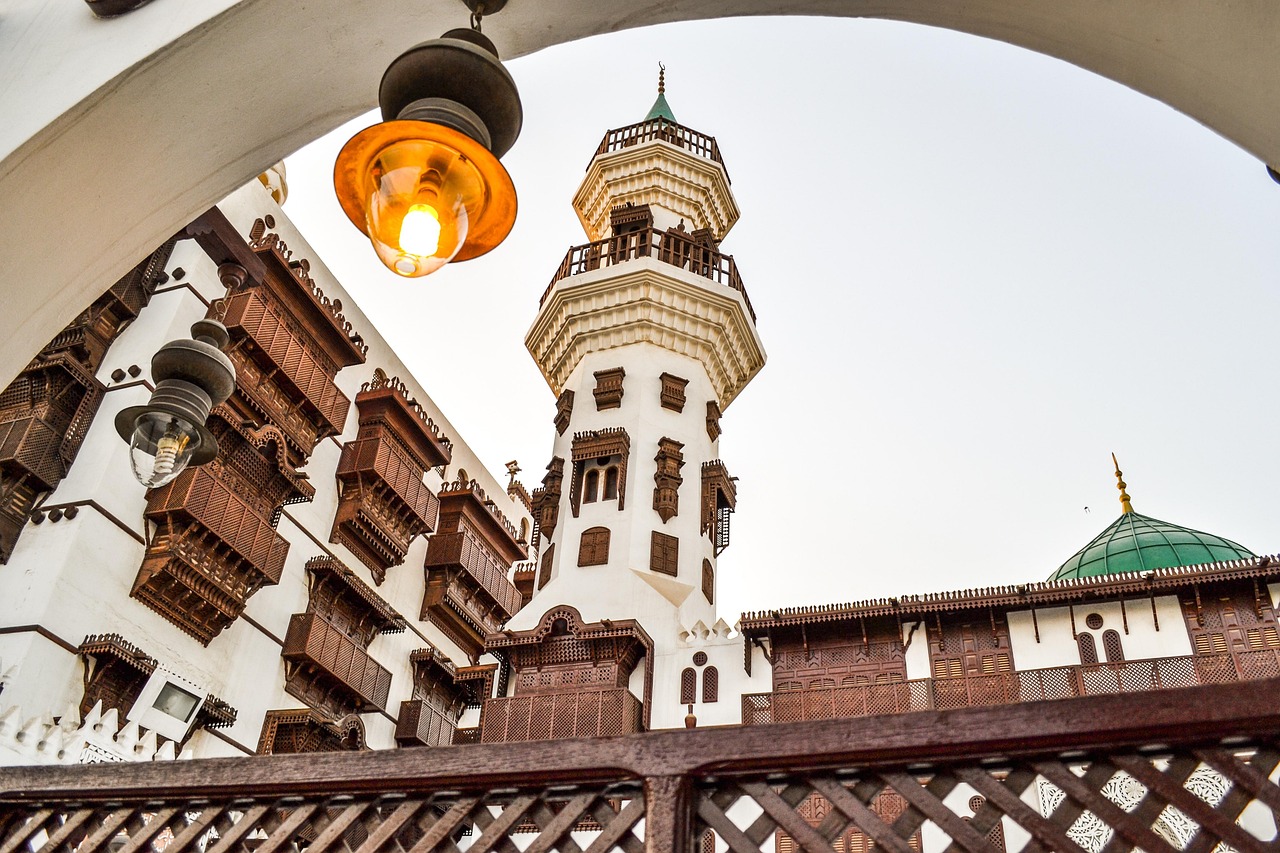
AlUla is the showstopper: Hegra, Saudi Arabia's first UNESCO World Heritage site, preserves more than 100 monumental tombs carved by the same civilisation that built Petra - without Petra's crowds. Riyadh pairs gleaming modernity with Diriyah, the restored mud-brick birthplace of the Saudi state, and the vertigo-inducing "Edge of the World" cliffs an easy day trip away. Jeddah is the Kingdom's charmer, where the coral-stone tower houses of Al-Balad's old town lean over lanes scented with oud and cardamom coffee.
For something quieter, head south to the Asir Mountains: terraced villages, juniper forests, and the art-filled hamlet of Rijal Almaa. Divers should look to the Red Sea coast, where reefs remain pristine and new resorts are opening around Umluj's islands. One important note: Mecca is open only to Muslims, and central Medina's holy sites are similarly restricted - non-Muslim visitors should plan around the rest of the Kingdom's riches.
Getting around
Distances are vast, so domestic flights are your friend: Saudia, flynas, and flyadeal connect Riyadh, Jeddah, AlUla, Abha, and more, often cheaply. The high-speed Haramain railway links Jeddah with Medina, and a separate line runs Riyadh to the Eastern Province. Within cities, Uber and Careem are reliable and widely used; Riyadh also has a shiny new metro. For AlUla, Asir, or the Edge of the World, a rental car (or a driver-guide) gives you freedom - roads are excellent, fuel is cheap, and driving is straightforward outside the busiest city traffic.
Where to stay
Saudi accommodation runs the full range. Riyadh and Jeddah offer international five-stars and solid mid-range business hotels; Jeddah's Al-Balad now has boutique stays inside restored heritage houses. AlUla is the splurge: desert resorts like those in the Ashar Valley are destinations in themselves, though more affordable camps and apartments exist in AlUla town. In the mountains, Abha's hotels are modest but well priced. Budget travellers will find aparthotels ("hotel apartments") everywhere - often the best value for families too.
Food and drink
Come hungry. Kabsa, fragrant spiced rice with chicken or lamb, is the national dish; mandi and madghout are its slow-cooked cousins. Start mornings with shakshuka, foul, and fresh tamees bread; end evenings with kunafa or camel-milk ice cream. In Jeddah, seafood rules - try the grilled catch at a traditional fish market restaurant. Everywhere, hospitality centres on gahwa (cardamom-laced Arabic coffee) poured with dates; accepting a cup graciously is half the etiquette you will need. Note that alcohol is illegal throughout the Kingdom - mocktails and excellent coffee culture fill the gap. Eat with your right hand, and do not be surprised when someone insists on paying for you.
Culture and etiquette
Saudi Arabia has relaxed considerably, but it remains a conservative country and dressing modestly is both required and appreciated: shoulders and knees covered for everyone, loose-fitting clothing for women (the abaya is no longer mandatory for visitors, and foreign women need not cover their hair). Public displays of affection are best avoided. Photography is welcome at tourist sites, but ask before photographing people, and avoid government buildings. During prayer times some smaller shops briefly close; it is a rhythm you will quickly settle into. Above all, expect warmth - Saudis are famously generous hosts, and a little Arabic goes a long way.
Practical essentials
Visas: Citizens of many countries (including the UK, US, and EU) can apply for the tourist eVisa online or get a visa on arrival. Apply via the official visa.visitsaudi.com portal and check your nationality's current rules before booking.
Money: The Saudi riyal (SAR) is pegged to the US dollar at 3.75. Cards and contactless payments are accepted almost everywhere, even at small stalls. Saudi Arabia is not a bargain destination, but eating local and using budget airlines keeps costs sensible.
Staying connected: Skip the airport SIM queue and landing-day roaming shock: install a Saudi Arabia travel eSIM from idealesim over Wi-Fi before you fly, and you will have data the moment you land - on STC, Saudi Arabia's largest network, with coverage that holds up from Riyadh's boulevards to the AlUla desert. Your plan's validity only starts when the eSIM first connects to a network in the country, so setting it up early is safe - and you will want maps and translation apps working from minute one.
Language: Arabic is official, but English is widely spoken in cities and tourism. Learn "shukran" (thank you), "salaam alaikum" (hello), and "la, shukran" (no, thank you).
Safety and health: Saudi Arabia is a low-crime country and travellers consistently report feeling safe. Tap water is best avoided in favour of bottled; check routine vaccinations with a travel clinic and carry travel insurance. The nationwide emergency number is 911.
Plugs: Type G (British-style three-pin), 220 volts. One adapter covers you.
Closing thoughts
Saudi Arabia rewards the curious. Go now, while camels still outnumber tour buses at Hegra, and you will come home with the rarest travel currency of all: stories your friends have not heard before. The Kingdom is ready - and your riyals, adapter, and eSIM can be too.