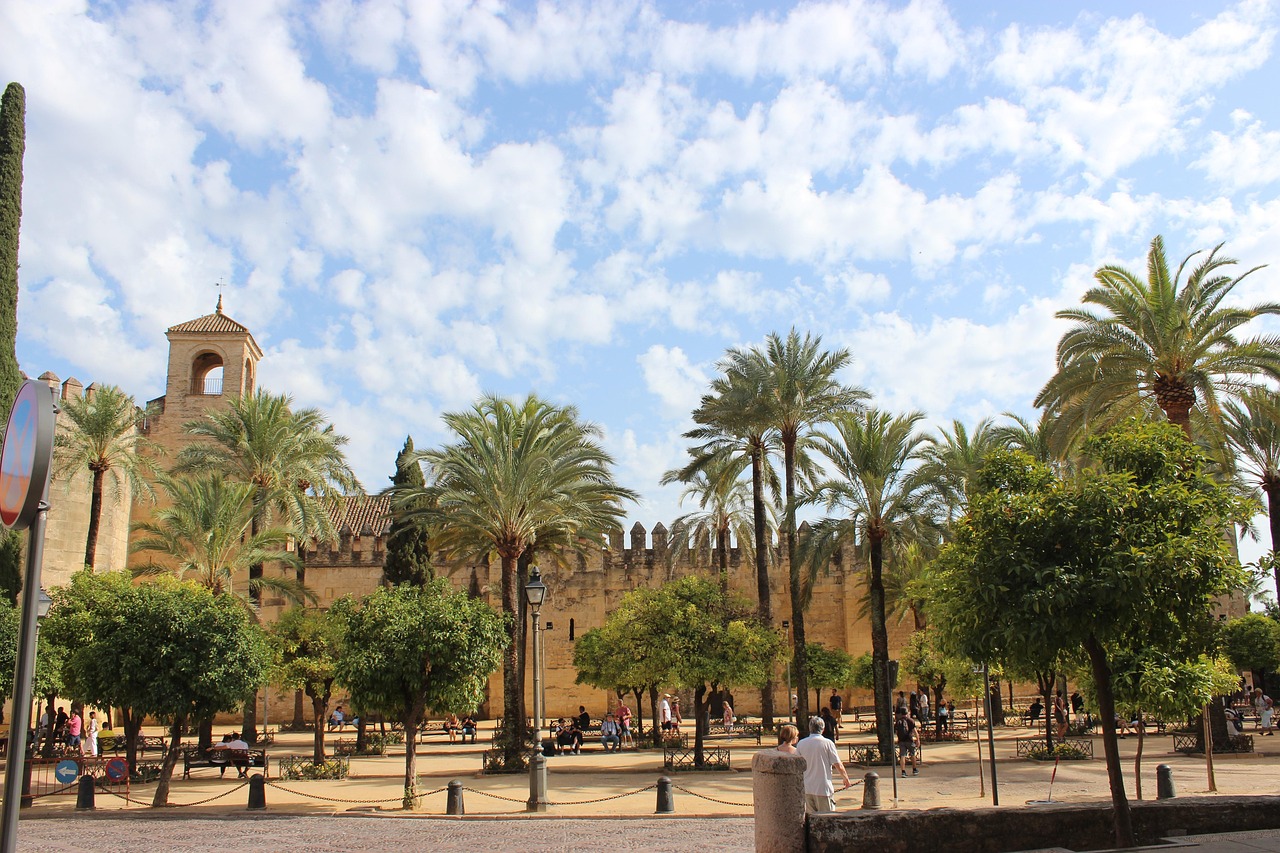
Valencia, Spain
eSIM Data Plans
Mobile coverage in Valencia
Valencia's mobile networks track the character of its neighbourhoods. In Ciutat Vella, the old town's tangle of narrow medieval streets and thick stone buildings can soften a signal indoors, though Movistar, Orange/MásOrange, and Vodafone all keep a working presence there - stepping toward a window or out into one of the small plazas usually restores full strength. Cross into Ruzafa, the creative, café-lined district that has become a hub for remote workers, and the more open street layout gives a noticeably steadier connection for streaming or video calls. The leafy grid of L'Eixample around Calle Colón, Valencia's main shopping artery, offers reliable coverage for checking store hours or comparing prices on the move. Out at the coast, Malvarrosa and Cabanyal combine newer development with maritime-era buildings, and both hold a consistent signal, while inland Patraix keeps its village feel with coverage that stays dependable away from the busier centre. Movistar, Orange/MásOrange and Vodafone each run their own network across the city, and their coverage overlaps closely enough in the centre that most visitors won't notice a meaningful difference between them. None of the three leaves noticeable gaps in the modern districts or along the seafront; the only place to expect a dip is deep inside Ciutat Vella's older stonework.
Getting around Valencia
Most visitors land at Valencia Airport (VLC), about 8 km west of the centre in Manises, where Metrovalencia's Line 3 and Line 5 pick up right from the terminal's ground floor every 15 to 20 minutes. The ride into Xàtiva, the central station, takes roughly 20 minutes, giving you time to get your eSIM connected and load a map before you've even reached the city. Metrovalencia as a whole runs 10 lines - six metro, four tram - across 148 stations, 38 of them underground. Data generally holds up fine on platforms and through the newer sections of tunnel; a handful of older underground stretches can lag or drop out briefly, so it's worth downloading anything time-sensitive before you descend. The surface tram lines - 4, 6, 8, and 10 - run at or near street level and keep a full signal the whole way, which matters if you're using one to reach the beach or the outer suburbs and want live directions the entire trip.
Where you'll use data most in Valencia
Calatrava's City of Arts and Sciences, the futuristic museum-and-aquarium complex east of the centre, sits under strong 5G across its whole campus - handy for uploading photos of the architecture in real time. The Turia Gardens, the long park laid out along the old riverbed for more than five miles, keep a steady connection on their paths and promenades, though signal can dip briefly in the tunnel-like sections that pass beneath road bridges near some of the museums before picking straight back up. Inside Valencia Cathedral, the Gothic-Romanesque landmark in Ciutat Vella, thick stone walls mean coverage is best kept for outdoors or near the entrance rather than deep inside. At Mercado Central, the 1928 Art Nouveau food market with its steel-and-glass roof, the main hall holds a good connection for checking a translation app while ordering, though the basement produce section can be patchier. Down at Playa Malvarrosa, reachable by tram Line 6, the beach itself carries a surprisingly strong connection for video calls and streaming, even well away from the boardwalk.
Tips for staying connected in Valencia
- Activate your eSIM before you land, or at the latest while riding the metro in from the airport, so maps and transit apps are ready the moment you reach Xàtiva.
- Inside Ciutat Vella's older buildings, step near a window or doorway if a call or upload stalls - the medieval stonework, not the network, is usually the cause.
- If Las Fallas (15–19 March) coincides with your visit, expect the downtown and beachfront networks to slow briefly during the busiest hours with over 3 million people in town; service stays up, just plan uploads for quieter moments.
- Through July and August, Malvarrosa and Cabanyal draw large beach crowds; the connection remains stable but can show higher latency at peak times, so patience helps for video calls.
- On the metro's older underground stretches, download offline maps in advance in case a tunnel section briefly interrupts data.
- Save Spain's emergency number, 112, in your phone before you set off exploring - it works across all networks even if you're between eSIM top-ups.
For coverage details across the rest of the country, see the Spain eSIM guide. Comparing regions before you travel also helps: check the eSIM for Barcelona page for Catalonia, the eSIM for Madrid page for the capital, or the eSIM for Seville page if Andalusia is next on your route.
Choose Your Spanish eSIM Plan for your trip to Valencia
Select the best eSIM data plan for your trip to Valencia, Spain
Our picks for Valencia
Movistar
Movistar
Movistar
Not sure which plan to choose?
Let us help you find the perfect eSIM plan for your trip to Valencia