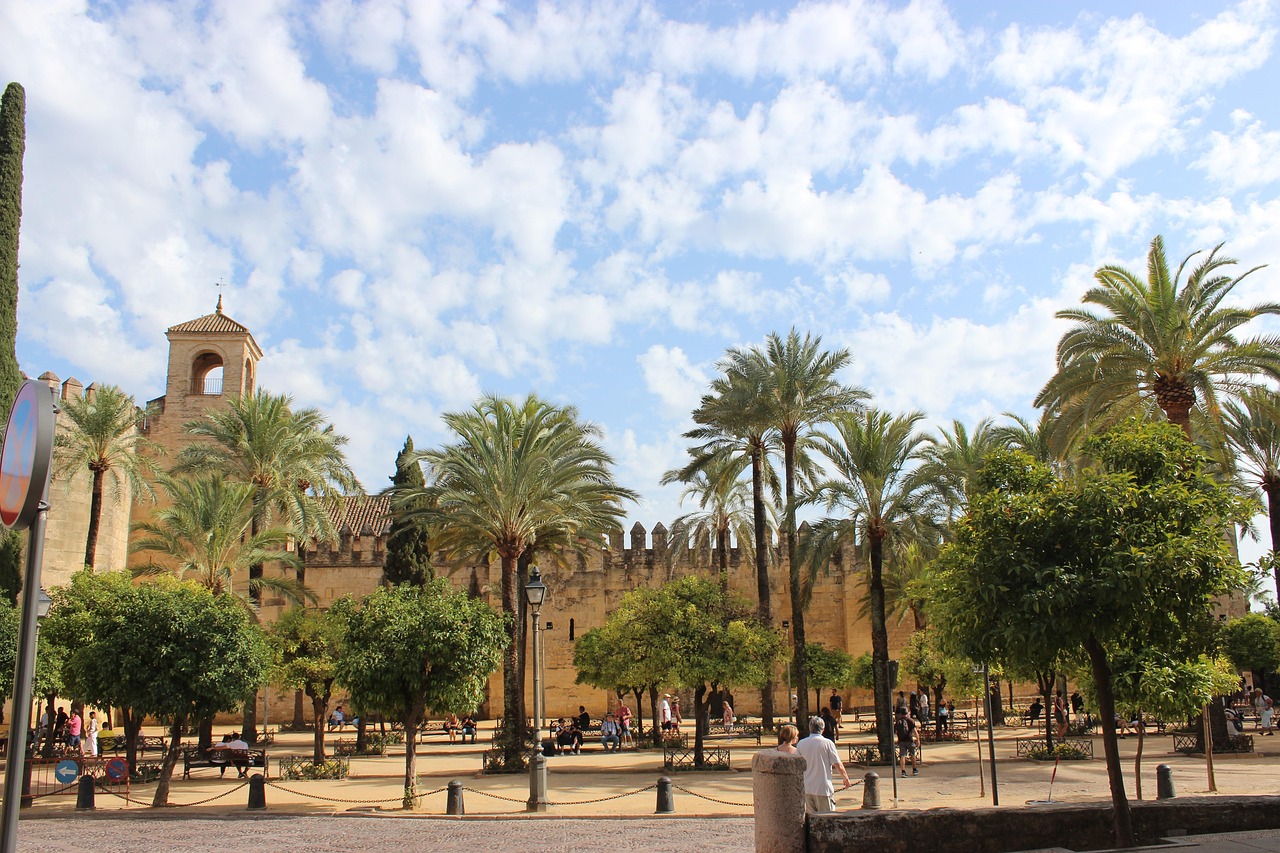
Madrid, Spain
eSIM Data Plans
Best eSIM plans for Madrid
Three travel data plans that suit most trips to Madrid, or see every Spanish eSIM below. Spain plans work across the whole country.
Not travelling yet?
Tell us your travel date and we will email you before you go (a week before, or when you choose) with the latest Madrid eSIM prices. No account needed.
Your Madrid eSIM guide
Madrid is Spain's buzzing capital, a city of grand plazas, leafy parks and world-class art. Mornings in the Prado or the Reina Sofía, afternoons in the Retiro park and late evenings of tapas around Plaza Mayor and La Latina set the rhythm here, and the city makes the most of every hour of it.
Mobile coverage in Madrid
Madrid's signal quality shifts noticeably from one district to the next, largely because of building age rather than network gaps. In La Latina, the medieval quarter of narrow cobblestone lanes and thick stone walls, indoor reception can drop even when the street outside shows full bars. Head to Gran Vía and the picture changes completely: the modern high-rises lining the boulevard give a consistent, unbroken signal at street level and inside offices and hotels alike. Chueca, the central nightlife district, holds strong coverage well into the evening when bars and restaurants fill up, and the leafy streets around Retiro stay reliable even at the edges of the park. Salamanca and Malasaña both benefit from good metro connectivity, which tends to translate into steady data outdoors. Movistar, Orange (operating locally as MasOrange) and Vodafone all run solid 4G and 5G networks across the capital, and travellers generally don't need to pick one over another for central sightseeing - the difference shows up mainly indoors in the oldest buildings, not between carriers.
Getting around Madrid
Most visits start at Adolfo Suárez Madrid-Barajas Airport, which runs free WiFi across every terminal under the network name "Airport Free Wifi Aena" - fine for checking messages or booking a ride while you find your bearings, though a local data connection is worth activating before you queue for transport. The Madrid Metro carries stable 4G and 5G underground, so you can keep navigating or messaging between stops rather than losing signal the moment you go below ground. For the airport run itself, the Renfe Cercanías C1 and C10 lines connect Barajas to the city centre in roughly 16 to 31 minutes depending on your stop, and both maintain onboard mobile signal for the journey, so you can queue up a map of your accommodation or message ahead to let someone know you've landed.
Where you'll use data most in Madrid
Plaza Mayor, the historic central square, holds a strong signal even when packed with visitors, making it an easy spot to pull up a walking route or check opening times. The Prado Museum gets genuinely busy with seasonal crowds, so having tickets and gallery maps loaded on your phone before you reach the entrance saves time in the queue. Retiro Park offers good coverage in a calmer setting, useful for looking up nearby cafés or translating a menu at a park kiosk. Inside the Royal Palace (Palacio Real), thick stone interiors can dull indoor reception, so download any audio guide or floor plan before you step through the entrance. Out at the Puerta de Alcalá, a busy monument and traffic junction, signal stays reliable for hailing a ride or orienting yourself before crossing into Retiro or Salamanca.
Tips for staying connected in Madrid
- Activate your eSIM before you land, or at the latest while using the airport's free WiFi, so you're not relying on Aena WiFi once you're on the move.
- In dense, historic areas like La Latina, step toward a window or into a courtyard if an indoor connection feels slow - the stone walls, not the network, are usually the cause.
- Around Puerta del Sol and other high-density tourist spots, expect things to feel slower when the streets are at their busiest in the evening, with the local network handling more traffic; sending messages or maps a little earlier avoids the crunch.
- Download offline maps or museum tickets for stone-heavy sites such as the Royal Palace or restaurants in basement courtyards, where signal bars can be visible but data noticeably slower.
- Save Spain's emergency number, 112, in your phone before you explore, regardless of which district you're staying in.
For coverage details and eSIM options across the rest of the country, see the Spain eSIM hub. If your trip continues beyond the capital, check the pages for eSIM for Barcelona, eSIM for Seville and eSIM for Ibiza.
All Spanish eSIM data plans
14 plans from £0.65. Prices include VAT, shown in GBP.
Not sure how much data you need?
Tell us your trip length and how you'll use your phone, and we'll point you to the right plan.
Added to your basket