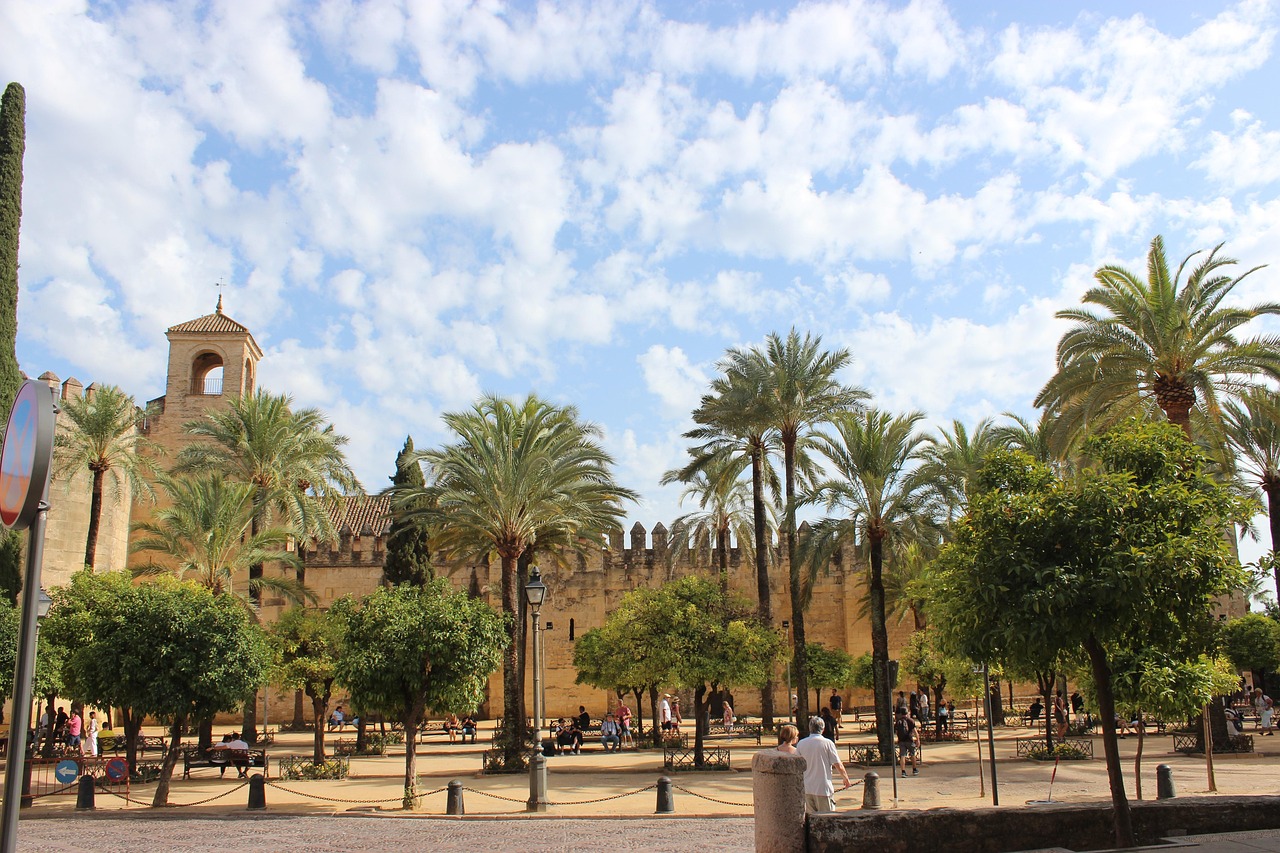
Seville, Spain
eSIM Data Plans
Mobile coverage in Seville
Seville splits neatly into districts with very different signal personalities. In El Centro, the pedestrianised streets around the Cathedral and Giralda Tower sit under strong, consistent 4G and 5G coverage, since this is the city's commercial core and infrastructure is dense to match. Cross into the Casco Antiguo, the historic centre proper, and the picture gets more variable: narrow medieval streets lined with thick stone buildings can dampen indoor signal, even if outdoor reception on the same block is fine. The adjoining Santa Cruz quarter, with its tangle of old Jewish-quarter alleyways, shares that same dense construction and the same occasional indoor dead spot. Head to the river and the situation flips again: El Arenal's open riverside promenade near the Torre del Oro has clean, unobstructed coverage, and across the Guadalquivir in Triana, the Calle Betis waterfront strip is generally reliable for both browsing and calls. Further out, La Macarena and La Alameda are less tourist-heavy but still benefit from Seville's modern network buildout. Movistar, Orange (MasOrange) and Vodafone all run solid 4G and 5G here, with 5G considered stable rather than patchy across the wider city, so an eSIM provisioned before arrival should switch onto whichever of these networks it partners with as soon as you land.
Getting around Seville
Most visitors arrive through Sevilla-San Pablo Airport (SVQ), about 10 km northeast of the centre, which has no direct metro connection. The EA Airport Express Bus covers that gap instead, running roughly every 12 to 20 minutes between around 04:30 and 01:00, with stops at Plaza de Armas, Prado de San Sebastián, San Bernardo and Santa Justa - worth having data ready for from the moment you land, since you'll want to confirm the stop pattern or track the bus in real time. Seville's own metro is a single line of 22 to 23 stations, a mix of underground, above-ground and half-sunk sections, but it doesn't run directly to the airport or to Santa Justa railway station, so most airport-to-centre journeys rely on the bus or a taxi rather than rail. Signal reliability inside the underground stretches of that metro line isn't something we can confirm either way for Seville specifically, so treat connectivity there as a bonus rather than a given, and download offline maps before you descend. Above ground, TUSSAM city buses extend their hours during major events, and during Feria de Abril the metro and buses both run 24 hours to cope with the crowds.
Where you'll use data most in Seville
The Real Alcázar, with its Islamic, Gothic and Baroque courtyards, and the neighbouring Cathedral and Giralda Tower, are where most people burn through data checking timed-entry tickets, pulling up audio guides, or translating placards - both sit within the well-covered Casco Antiguo/El Centro core. The Archivo de Indias next door, a UNESCO-listed colonial archive, tends to draw the same crowd doing the same phone-in-hand research between stops. Down by the water, the Torre del Oro on the El Arenal bank is a popular photo point where people upload straight to social media given the open-air signal, and a short walk or bridge crossing takes you into Triana, where flamenco venues and ceramics shops along Calle Betis get plenty of ride-hailing pickups and restaurant-booking traffic in the evenings. Back in the centre, the Metropol Parasol in Plaza de la Encarnación - the giant wooden canopy over an archaeological market - is another spot where visitors lean on maps and translation apps to navigate the market stalls below before heading up to the viewing deck.
Tips for staying connected in Seville
- Activate your eSIM before you land at SVQ, since the airport itself has no metro link and you'll want maps or bus-tracking data ready the moment you clear arrivals.
- If you're staying inside the Casco Antiguo or Santa Cruz, don't be surprised by weaker indoor signal in old stone buildings - step onto the street if a call or upload struggles.
- Crossing into Triana from the eastern bank is a normal part of a Seville visit; expect coverage to hold up along the Calle Betis riverfront.
- Save offline maps for the metro's underground stations, since signal there isn't guaranteed the way it is on the surface.
- If you're in town for Feria de Abril, expect heavier network congestion in the caseta area after dark, and note that Tuesdays and Thursdays draw smaller crowds than weekends.
- Save Spain's emergency number, 112, in case you need police, medical or fire services while exploring.
Seville is one stop on a wider trip for a lot of travellers, so it's worth pairing your plan with the rest of the country: see the main Spain eSIM page for nationwide options, or check coverage details for eSIM for Madrid, eSIM for Barcelona and eSIM for Ibiza if those are next on your route.
Choose Your Spanish eSIM Plan for your trip to Seville
Select the best eSIM data plan for your trip to Seville, Spain
Our picks for Seville
Movistar
Movistar
Movistar
Not sure which plan to choose?
Let us help you find the perfect eSIM plan for your trip to Seville