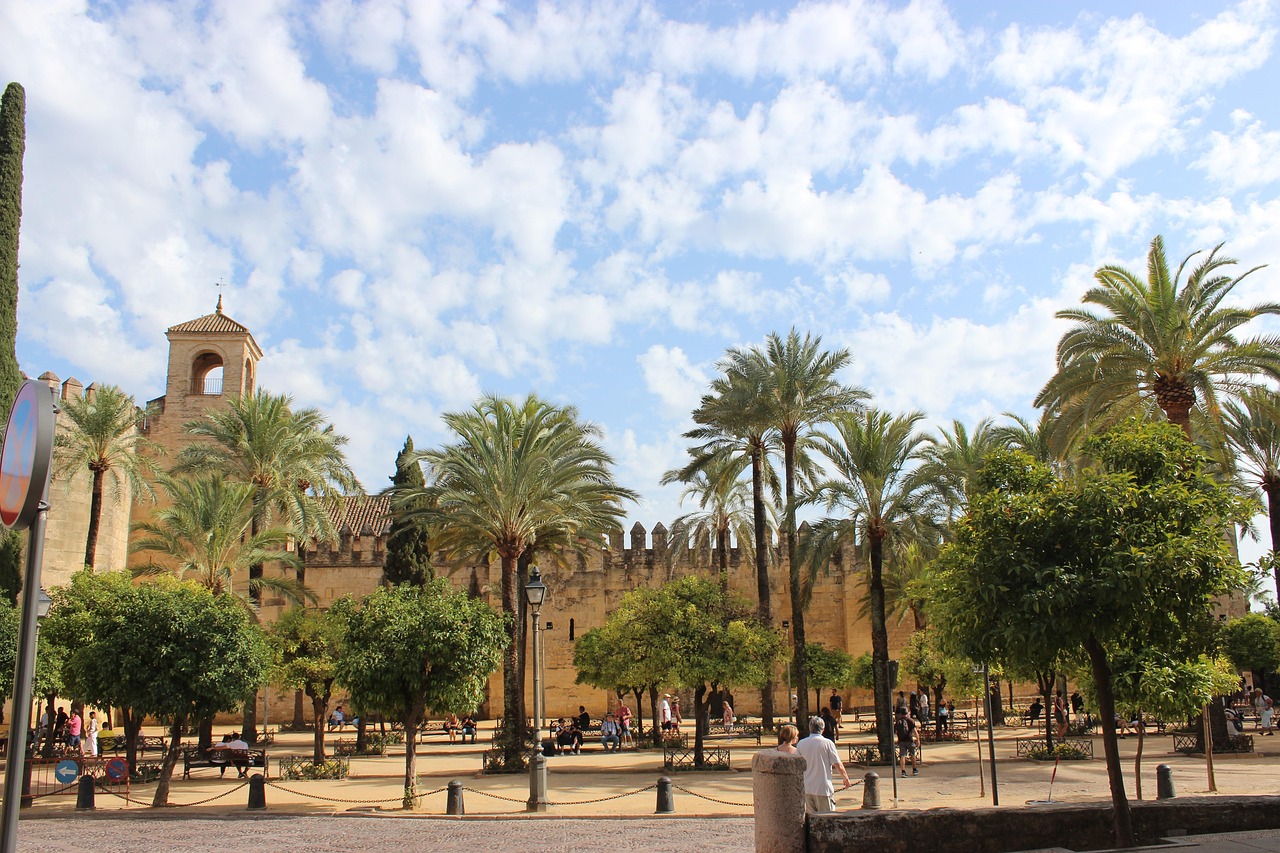
Tenerife, Spain
eSIM Data Plans
Best eSIM plans for Tenerife
Three travel data plans that suit most trips to Tenerife, or see every Spanish eSIM below. Spain plans work across the whole country.
Not travelling yet?
Tell us your travel date and we will email you before you go (a week before, or when you choose) with the latest Tenerife eSIM prices. No account needed.
Your Tenerife eSIM guide
Tenerife is warm all year round and packs a lot into one island. The sunny south is lined with beach resorts, the greener north has historic towns and dramatic cliffs, and in the middle rises Mount Teide, Spain's highest peak, in a vast national park of lunar landscapes.
Mobile coverage across Tenerife
Tenerife is the largest of the Canary Islands, and its data coverage splits along a clear north-south line rather than following any single town. The southern resort corridor running through Playa de las Américas, Los Cristianos, and Costa Adeje holds the strongest and steadiest signal on the island, which is exactly where most package holidays land. Head to the eastern side and the capital Santa Cruz along with the university town of La Laguna also deliver solid, consistent coverage. The north tells a different story: Puerto de la Cruz and La Orotava have good signal within the towns themselves, but the connection thins out on the roads between settlements as you push toward Icod de los Vinos, especially where the terrain faces the mountains. Once you leave the coast for the interior valleys and volcanic highlands, expect little or no signal outside a handful of established viewpoints.
All three national networks cover the island, though coverage thins out across the less populated interior and on the higher ground around Teide. 5G is concentrated around the busier southern resort areas, while the north and the interior lean more on 4G. An eSIM that can hop between local networks is genuinely useful here, since no single operator dominates every corner of an island this shaped by volcanic terrain.
Getting around Tenerife
Most visitors land at Tenerife South Airport (TFS), the island's main hub serving the resort belt, while Tenerife North Airport (TFN) handles a smaller share of traffic closer to Santa Cruz and La Laguna. Both terminals offer free WiFi, though speeds vary depending on how busy the hall is, so having your eSIM active from touchdown means you're not relying on it. TITSA buses and taxis link both airports to the main towns, and coastal roads are generally reliable for data throughout the journey. The mountain passes connecting the southern resorts to the north are a different matter - coverage can patch in and out as the road climbs and drops around the island's volcanic spine.
Tenerife is also the main jumping-off point for the rest of the archipelago. Ferries to La Gomera, Gran Canaria, and La Palma run from ports in Santa Cruz and Los Cristianos, and once you're on the water, expect limited to no cellular signal for the crossing. Inter-island flights on Binter Canarias and Canaryfly run hourly and are a fast alternative, but the same isolation applies mid-air. Download boarding passes, hotel confirmations, and offline maps before you leave the dock or the gate.
Where you'll use data most in Tenerife
Mount Teide National Park draws visitors up to Spain's highest peak, and this is where the island's altitude quirk shows up most clearly: the cable car station and the main viewpoints hold a signal, but the central volcanic plateau above roughly 2,000 metres often doesn't, so plan on using maps and photos offline once you're up there. Back at sea level, the beach strip through Playa de las Américas keeps a steady connection for booking excursions, checking restaurant reviews, or uploading photos straight from the sand. Santa Cruz, as the island capital, gives consistent coverage for anyone exploring its plazas and markets, while Puerto de la Cruz in the north is reliable for browsing and navigation within the resort but can weaken as you head inland toward La Orotava's countryside. Los Cristianos rounds out the southern resort belt with dependable signal for day-to-day use, from ferry bookings to video calls home.
Tips for staying connected in Tenerife
- Activate your eSIM before heading up to Mount Teide - altitude causes repeated signal loss and recovery on the way up and down, so cache your maps and tickets in advance.
- Save offline maps for the northern stretch between Puerto de la Cruz and Icod de los Vinos, where coverage between towns can be patchy.
- Download boarding passes and hotel details before any ferry crossing to La Gomera, Gran Canaria, or La Palma - crossings can leave you without signal entirely.
- Rocky highlands and volcanic gorges create radio shadows that don't always show up on coverage maps, so don't rely solely on an app's predicted signal in the interior.
- Keep 112, Spain's general emergency number, saved and accessible even if data drops temporarily in the mountains or on a crossing.
- If you're based in the north, expect town-centre coverage to be reliable but treat rural roads toward the interior with the same offline-first approach as the highlands.
For coverage across the rest of the country, see the Spain eSIM guide, or compare notes with other destinations such as the eSIM for Barcelona, the eSIM for Madrid, and the eSIM for Seville.
All Spanish eSIM data plans
14 plans from £0.65. Prices include VAT, shown in GBP.
Not sure how much data you need?
Tell us your trip length and how you'll use your phone, and we'll point you to the right plan.
Added to your basket